
Plants
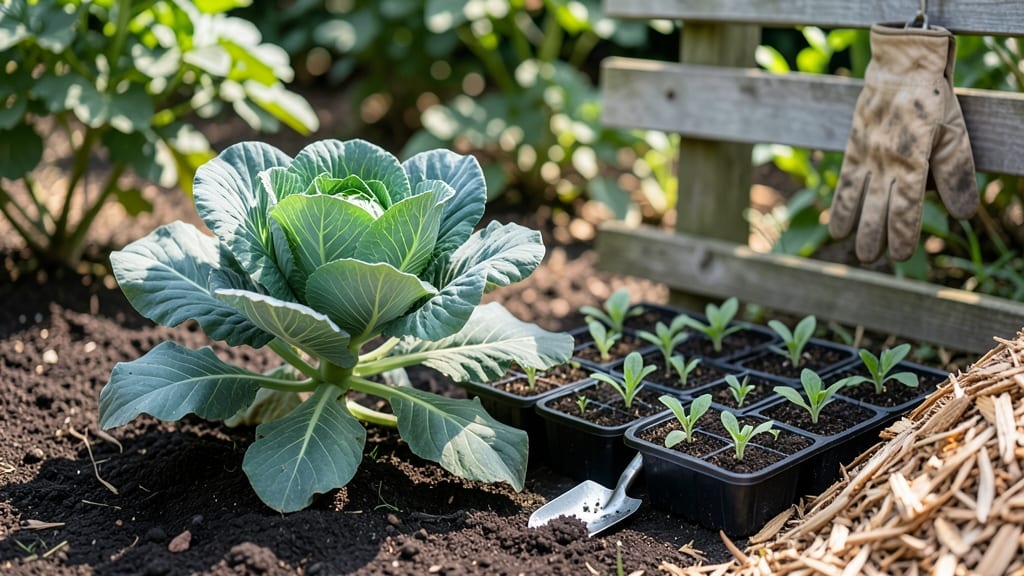
Timing your 🥬 cabbage planting in Indiana isn't just about the calendar—it's about dodging that bitter bolting fate that turns your crisp heads into sad, flowering stalks. Get it wrong, and you'll end up with tough leaves instead of the sweet, tender cabbage you crave.
The key? Planting in Zone 6a when soil temps hover around 40-50°F—too early, and frost zaps your seedlings; too late, and heat sends them into early bloom.
Indiana gardeners know the drill: early spring (March–April) or late summer (July–August) are your golden windows, but the devil’s in the details. A 4-6 week head start before last frost (around April 15) gives your cabbage time to bulk up before summer’s relentless heat.
Skip the rush—planting too soon means weak starts, and waiting too long risks bolting before harvest.
Here’s the game-changer: fall planting can actually give you a second harvest if you time it right—10-12 weeks before your first frost (October 15). With the right variety and a little frost protection, you’ll be feasting on homegrown cabbage well into November.
Let me walk you through the exact dates, soil prep tricks, and variety picks that’ll keep your 🥬 happy from seed to table.
Whether you’re a first-time gardener or a seasoned green thumb, nailing these timing tips means no more wasted seeds or bitter surprises. Ready to grow cabbage that’s crisp, sweet, and ready to harvest? Let’s get started.
Indiana cabbage planting calendar: exact dates to avoid bolting in zones 5-6
Indiana's Zone 5-6 climate creates a perfect window for growing crisp, sweet cabbage, but timing is everything. Plant too early, and cold soils stunt growth; too late, and summer heat triggers bitter bolting.
The key is aligning your schedule with Indiana's last frost date (April 15) and first frost date (October 15) to maximize your harvest.
For most Indiana gardeners, the ideal planting windows are early spring (March–April) and late summer (July–August). Spring plantings give you a summer harvest (June–July), while fall plantings yield crisp heads in October–November. The secret? Soil temperatures above 40°F and consistent moisture to prevent stress-induced bolting.
Here's your Indiana cabbage planting calendar with exact dates, frost considerations, and soil prep tips to keep your cabbage sweet and bolt-free:
| Planting Window | Indiana Dates (Zones 5-6) | Soil Temp | Frost Consideration | Harvest Window |
|---|---|---|---|---|
| Early Spring | March 15 – April 15 | 40–50°F | 4–6 weeks before last frost (April 15) | June–July |
| Late Summer | July 15 – August 15 | 50–60°F | 10–12 weeks before first frost (October 15) | October–November |
| Transplant Window | April 1 – May 10 | 50°F+ | After last frost, soil warmed | July–August |
| Direct Sow | March 1 – April 15 | 40°F+ | Before soil warms above 50°F | June–July |
For spring plantings, start seeds indoors 4–6 weeks before your last frost date (around February 20–March 1). Harden off seedlings for 7–10 days before transplanting after April 15. Use row covers if nighttime temps dip below 45°F to protect young plants.
If you prefer direct sowing, plant seeds 2–3 weeks before your last frost date (around March 15–April 1). Space seeds 1/2 inch apart in rows 18–24 inches apart, and thin seedlings to 12–18 inches apart when they reach 3–4 inches tall.
This spacing prevents disease spread and ensures even sunlight exposure.
For fall cabbage, plant seeds or transplants July 15–August 15 to harvest before first frost (October 15). Choose bolting-resistant varieties like 'Golden Acre' or 'Red Express' for late-season success. Use black plastic mulch to warm soil and extend the growing season by 2–3 weeks.
Pro tip: Soil temperature is your best guide. Use a soil thermometer to confirm temps are above 40°F for spring plantings and 50–60°F for fall. Cold soil slows germination and invites rot diseases, while warm soil triggers bolting.
Remember, Indiana's variable spring weather can delay planting. If unseasonably cold temps persist, wait until April 1 to avoid soil compaction from working wet ground. For container gardening, plant 4–6 weeks earlier since pots warm faster in spring.
Bolting risk peaks when daytime temps exceed 80°F for more than 3–4 days. To mitigate this, provide afternoon shade with floating row covers or plant in partial shade during summer months. Mulch with <
How to extend your Indiana cabbage season: success tips for fall planting
Fall cabbage in Indiana rewards patience with sweet, crisp harvests well into October or November. The key? Planting at the right time and protecting young plants from unpredictable frost and cold snaps. Unlike spring plantings, fall cabbage thrives when days grow shorter and temperatures dip—just not too early.
For Indiana’s Zone 5-6 climate, aim to sow seeds or transplant seedlings 8-10 weeks before your first frost date (typically mid-September for most regions). This timing ensures heads mature before winter sets in, while avoiding the heat stress that triggers bolting in late summer.
🌱Pro Tip: Use row covers or cold frames to extend your harvest window. These simple tools can protect tender cabbage from light frosts (28°F or higher) and even allow you to harvest through November in sheltered spots.
📌 5 Essential Fall Cabbage Tips for Indiana
- 🌡️ 1. Time it right: Plant July 15–August 15 for fall harvests. Avoid late August plantings—they risk bolting before frost.
- 🌱 2. Choose bolt-resistant varieties: Opt for ‘Golden Acre’ or ‘January King’—both handle Indiana’s cool nights better than standard types.
- 💧 3. Water deeply but less often: Reduce frequency as temps drop, but keep soil consistently moist to prevent stress-induced bolting.
- 🛡️ 4. Protect from frost: Use floating row covers for light frosts (28–32°F) or move potted plants to a garage or shed for hard freezes.
- 🌿 5. Harvest before hard frost: Cabbage stores well in a cool, dark basement for 2–3 weeks after harvest—perfect for holiday meals!
Don’t overlook soil preparation for fall plantings. Amend your garden beds with compost or aged manure in early summer to give cabbage roots a nutrient boost before transplanting. Well-draining soil is critical—Indiana’s heavy clay can lead to rot if water pools around roots.
For container gardeners, 5-gallon pots work well for dwarf varieties like ‘Miniature Peanut’. Place them in sunny, sheltered spots and bring pots indoors if temperatures drop below 20°F. This trick lets you harvest well past the first frost.
✂️Final Tip: If you miss the fall window, try winter storage! Harvest mature heads before hard frost, trim outer leaves, and store in a humid basement (32–40°F) for up to 2 months. Your taste buds—and holiday tables—will thank you!