
Plants
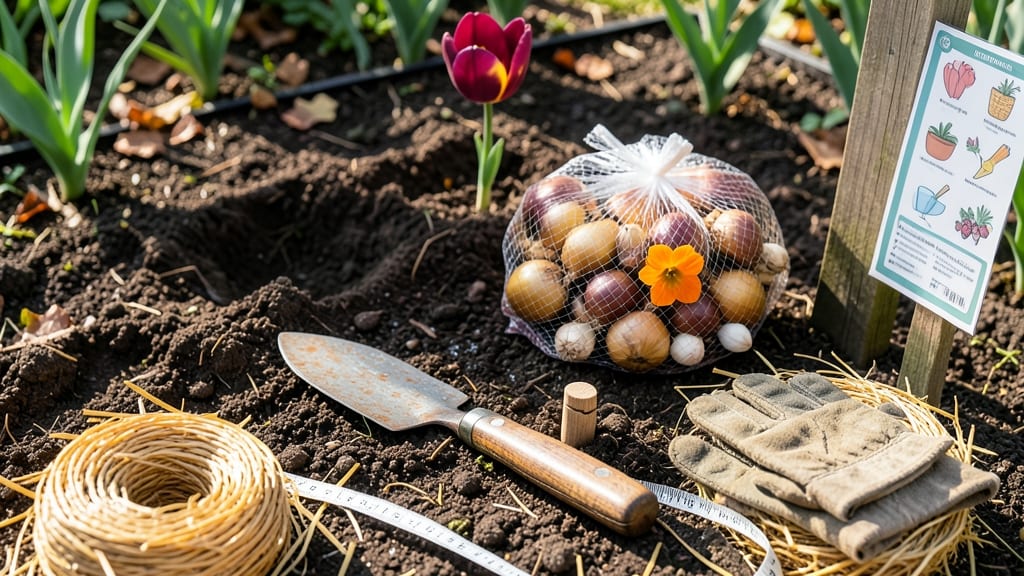
Timing your bulb planting in Maine isn’t just about the calendar—it’s about matching your garden’s chill hours to each variety’s needs. Whether you’re dreaming of daffodils pushing through snow or tulips bursting in May, getting the window right makes all the difference.
The key? Planting bulbs 6-8 weeks before the ground freezes—typically between late September and November—so roots establish before winter sets in.
Maine’s 5b-6a climate throws a curveball with its unpredictable frosts and short growing seasons, but the right timing ensures your 🌱 bulbs thrive. Fall-planted varieties like crocuses and alliums need cold exposure to bloom, while spring-planted bulbs (like hyacinths) can wait until March or April.
The trick? Avoid planting too early—wet soil can rot bulbs, and too-late planting leaves them vulnerable to frost.
In this guide, I’ll break down the exact months to plant for zero-frost blooms, including soil prep tips and how to adjust for Maine’s coastal vs. inland microclimates.
You’ll learn how to extend your blooming season, protect bulbs from early frosts, and even force indoor blooms for a head start. Let’s get those bulbs in the ground the right way—so you can enjoy vibrant spring color without the guesswork.
Ready to transform your Maine garden into a spring spectacle? The clock is ticking—literally. Whether you’re a first-time planter or a seasoned gardener, these insights will help you plant with confidence and avoid common mistakes that derail even the best-laid plans. Let’s dive in.
Maine’s chill-hour zones: how cold requirements dictate bulb planting timing
Maine’s USDA Zones 4-6 and chill-hour requirements are the secret to timing bulb planting perfectly. Most spring-flowering bulbs—like tulips, daffodils, and crocuses—need 6-8 weeks of root growth before winter sets in.
In colder Zone 4 areas (e.g., Bangor, Presque Isle), plant bulbs 6-8 weeks before the first hard frost (usually mid-September to early October). Warmer Zone 6 regions (e.g., Portland, Kittery) can extend planting until mid-November.
Each bulb variety has unique chill-hour needs. For example, tulips thrive with 1,000-1,500 chill hours, while daffodils need 500-1,000 hours. Maine’s climate delivers these chill hours naturally, but planting too early (e.g., August) risks premature sprouting before roots establish.
Conversely, planting too late (December) leaves bulbs vulnerable to frost heave or winter desiccation.
| Bulb Type | Chill-Hour Needs | Maine Planting Window | Zone 4 Notes | Zone 6 Notes |
|---|---|---|---|---|
| Tulips | 1,000–1,500 hrs | Mid-Sept–Oct 15 | Plant by Oct 1 for root growth | Extend to Nov 1 |
| Daffodils | 500–1,000 hrs | Late Sept–Nov 1 | Hardier; plant later | Up to Nov 15 |
| Crocuses | 300–500 hrs | Oct–Nov 10 | Early bloomers; plant late | Plant by Nov 15 |
| Alliums | 800–1,200 hrs | Sept 15–Oct 30 | Avoid early planting | Flexible window |
Maine’s coastal vs. inland microclimates also play a role. Coastal areas (e.g., Bar Harbor) experience milder winters, allowing bulbs to stay in the ground longer. Inland zones (e.g., Augusta, Waterville) freeze earlier, so prioritize earlier planting and heavier mulching (3–4 inches of straw or leaves) to insulate bulbs.
Always check your local last frost date—Maine’s ranges from October 10 (north) to November 1 (south).
For spring-planted bulbs like caladiums or cannas, wait until after the last frost (mid-May) and soil temps reach 60°F. These tropical varieties can’t tolerate Maine’s winter, so treat them as annuals or dig them up before frost.
Pre-soak bulbs for 12–24 hours before planting to jumpstart root growth in Zone 4’s short season.
One common mistake is planting bulbs too shallow (e.g., 3 inches deep instead of 6–12 inches). Maine’s freeze-thaw cycles can heave bulbs out of the ground if not buried deep enough.
Use a trowel or bulb planter to dig holes 3x the bulb’s height—larger bulbs (daffodils) go deeper than smaller ones (crocuses). Add a layer of sand or grit at the bottom to improve drainage in clay-heavy Maine soils.
To test if your bulbs are ready for planting, look for firm, dry skins and a slightly papery texture. Soft or moldy bulbs won’t survive winter.
Store extras in a cool, dark place (e.g., garage or basement) with 50–60% humidity until planting. Label bulbs by variety and planting date—Maine’s unpredictable weather
Step-by-step fall planting timeline for Maine gardens: month-by-month bulb schedule
Maine’s fall planting window for bulbs is short but critical—aim to get them in the ground 6-8 weeks before the first hard frost, typically between mid-September and early November.
This timeline ensures bulbs establish roots before winter dormancy. Start with soil prep in late summer to give yourself a head start.
In September, focus on spring-flowering bulbs like tulips and daffodils. These need time to root before the ground freezes. Test your soil’s drainage—bulbs rot in soggy conditions, a common issue in Maine’s heavy clay soils. Amend with compost or sand if needed.
📅 Month-by-Month Maine Bulb Planting Guide
-
September (Early)
Soil temp: 60-70°F- Plant tulips, hyacinths, crocuses in well-draining soil.
- Depth: 6-8 inches (2x bulb height).
- Water deeply after planting.
-
October (Peak)
Soil temp: 50-60°F- Add daffodils, alliums, fritillarias.
- Mulch with straw or leaves (3-4 inches) to insulate.
- Stop planting if ground freezes.
-
November (Last Chance)
Soil temp: 40-50°F- Plant snowdrops, winter aconites for early blooms.
- Double-check mulch thickness in exposed areas.
- Avoid disturbing soil if frost is imminent.
Pro Tip: Use a soil thermometer to track when temps drop below 40°F—this signals the end of the planting window.
For coastal Maine (warmer microclimates), you might squeeze in planting until mid-November, but inland areas should halt by early November. Frost-sensitive bulbs like tulips need extra protection—consider planting them in raised beds or under tree canopies where frost lingers later.
After planting, water thoroughly to settle soil around bulbs, then reduce watering as winter approaches. Bulbs need moist but not soggy soil during dormancy. In Zone 4 (northern Maine), add an extra layer of mulch to shield bulbs from freeze-thaw cycles, which can heave them out of the ground.
If you miss fall planting, don’t despair—spring planting (March–April) works for hardy bulbs like crocuses and snowdrops. However, spring-planted bulbs may bloom later or produce fewer flowers. For best results, stick to the fall schedule and let Maine’s chill hours work their magic.
Remember: Patience is key. Bulbs need 6-8 weeks of root growth before winter sets in. Rush planting, and you risk frost damage or premature sprouting—both can kill your blooms before they even appear. Plan ahead, and you’ll reward yourself with vibrant spring displays year after year. 🌷