
Plants
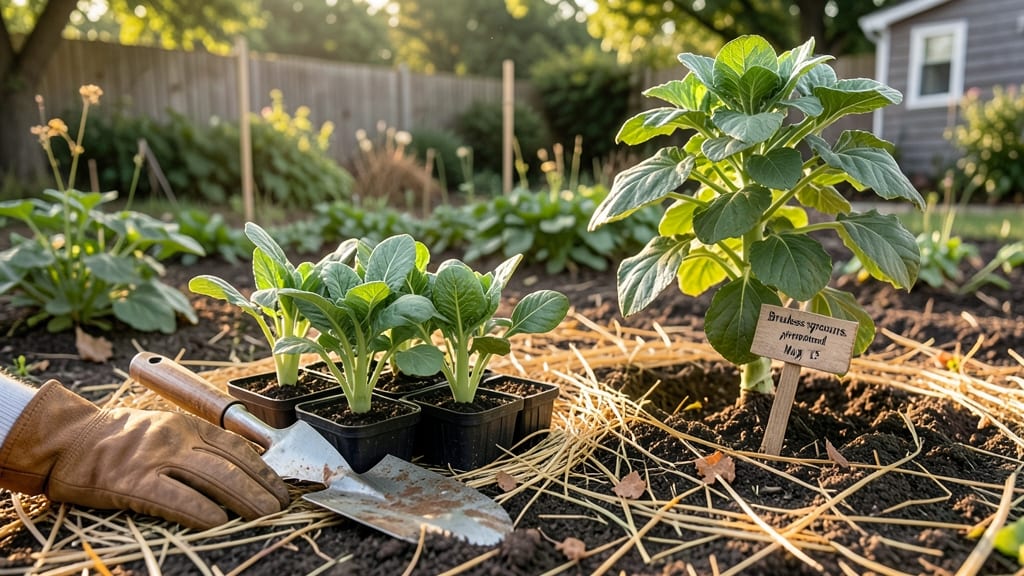
Timing your Brussel sprouts 🥦 planting in Colorado isn’t just about following a calendar—it’s about outsmarting the 10,000-foot elevation and unpredictable frost patterns that can turn your harvest into a gamble. Plant too early, and those tender seedlings bolt into bitter, inedible flowers.
Too late, and your fall harvest shrinks before the first frost. The sweet spot? A strategy tailored to your microclimate, whether you’re gardening in Denver’s urban heat islands or the cooler Rocky Mountain foothills.
Most Colorado gardeners focus on the spring window (mid-April to early June), but the real secret lies in the fall planting (late July to early August) for a harvest that lasts until December.
I’ll break down the exact dates for your USDA Zone—whether you’re in Zone 5’s high country or Zone 7’s Front Range—so you can avoid the common mistakes that waste time and effort. No more guessing games.
What you’ll discover here are the proven techniques used by Colorado growers to extend harvests into winter, including when to transplant seedlings versus direct sowing and how to adjust for your specific elevation.
We’ll also cover the best varieties for Colorado’s climate—some handle heat like champs, while others thrive in the chill. Ready to turn your garden into a Brussel sprouts powerhouse?
Let’s dive into the step-by-step timing that’ll give you a bumper crop, no matter where in Colorado you’re planting. Your future meals—and your neighbors’ jealous glances—will thank you.
Optimal planting windows for Colorado’s 3 climate zones (avoid bolting!)
Colorado’s diverse elevation zones (5,000–10,000 ft) create three distinct planting windows for brussel sprouts. Zone 4 (high mountains like Leadville) has a shorter growing season, while Zone 7 (Front Range cities) allows for late-summer sowing.
The key? Avoid heat stress (bolting) and early frosts that stunt growth. Here’s how to time it perfectly for your microclimate.
For Denver and the Front Range (Zone 6-7), your primary window is mid-April to early June for transplanting seedlings or late July to early August for direct sowing. High-altitude gardens (Zone 4-5) like those in Fort Collins or Boulder should start 2–3 weeks earlier to account for cooler soils.
Use row covers if planting in March to protect from late frosts.
Colorado’s first frost dates vary wildly: Denver averages mid-October, but Grand Junction (Zone 7) may see frost as late as November 15. Plan to harvest 4–6 weeks before your local first frost.
For example, if your frost date is October 20, aim to plant by July 15 for a fall harvest.
📌 Pro Tip: Use Colorado State University’s frost date calculator (extension.colostate.edu) to pinpoint your exact last frost date. Subtract 90 days (harvest time) to find your planting deadline.
| Zone | Elevation | Planting Window | Method | Notes |
|---|---|---|---|---|
| 4 (e.g., Leadville) | 8,000–10,000 ft | Late April–May | Transplant seedlings | Short season; use cold-hardy varieties like ‘Tasty Purple’ |
| 5 (e.g., Fort Collins) | 5,000–7,000 ft | Mid-April–early June | Transplant or direct sow | Can extend with row covers for late harvests |
| 6–7 (e.g., Denver, Colorado Springs) | 4,500–6,500 ft | Mid-April–June OR late July–early August | Transplant or direct sow | Heat-tolerant varieties like ‘Long Island Improved’ for summer planting |
Direct sowing in Colorado’s summer heat (Zone 6–7) is risky but rewarding. Late July plantings give sprouts time to mature before fall frosts. Choose heat-tolerant varieties like ‘Long Island Improved’ or ‘Ruby Ball’ to avoid bolting.
If sowing after July 20, use shade cloth (30–50%) to protect seedlings from intense sunlight.
Soil temperature is critical—brussel sprouts need 45°F+ to germinate. Test your soil with a thermometer before planting. In high-altitude areas (Zone 4–5), soil may stay too cold for direct sowing until late May.
If your soil is below 50°F, start seedlings indoors under grow lights for a 4–6 week head start.
💡 Colorado-Specific Hack: Plant ‘Tasty Purple’ in shaded spots (e.g., under fruit trees) to escape afternoon heat in Zone 7. This variety thrives in partial shade and resists bolting better than green types.
For container gardening in Colorado’s urban areas (e.g., Denver balconies), use 5-gallon pots with well-draining mix. Plant 2–3 weeks earlier than ground plantings—containers heat up faster and dry out quicker. Place pots on reflective surfaces (like white trays) to reduce root stress in summer heat.
Always harden off seedlings for 7–10 days before transplanting, especially if moving from indoor starts to Colorado’s windy conditions. Acclimate plants to outdoor temps by gradually increasing sun exposure and wind exposure.
🌱 Final Reminder: Mark your planting dates on a garden calendar and set reminders for fertilizing (May & September) and harvesting (October–December). Colorado’s unpredictable weather means flexibility is key!
Microclimate hacks: extending the growing season for late harvests
Colorado’s unpredictable fall weather can cut your Brussels sprouts harvest short—but with the right strategies, you can push harvests into November or December. The key is leveraging microclimates and protective tools to shield plants from early frost and cold snaps.
In Denver’s urban heat islands, for example, temperatures can stay 10°F warmer than nearby foothills, giving you an extra 2-3 weeks of growing time.
Start by selecting south-facing slopes or sun-trap sites where cold air pools less. Avoid low-lying areas where frost settles like a blanket. For high-elevation gardens (7,000+ ft), prioritize row covers or low tunnels—these can add 4-6°F of warmth and delay frost damage by 3-4 weeks.
In Zone 5 valleys, where frosts hit earlier, consider cold frames for late-season protection.
🌡️ 5 Microclimate Hacks to Extend Your Harvest
- 1. Use row covers (floating or fixed) to shield plants from light frosts (28-32°F). Secure edges with soil or bricks to prevent wind damage.
- 2. Plant near stone walls or buildings to absorb and radiate heat during the day.
- 3. Mulch heavily with straw or leaves (4-6 inches) to insulate roots and retain soil warmth.
- 4. Choose taller varieties (e.g., ‘Long Island Improved’) to keep sprouts above frost level.
- 5. Harvest strategically: Pick lower sprouts first to protect the plant’s growing point from cold.
Timing is everything—plant your fall crop in late July for a November harvest, or go for early August if you’re aiming for December.
In Zone 7 (Front Range), where summers linger, you can even squeeze in a second planting in early September for a January harvest with heavy row cover protection. Just be prepared to harvest through snow—Brussels sprouts taste sweeter after a frost!
Monitor your local Almanac frost dates but adjust for your microclimate. For example, Boulder’s last frost averages May 15, but urban Denver might see June 1. Use a soil thermometer to confirm roots stay above 40°F—any colder, and growth stalls.
If nights dip below 30°F, cover plants with burlap or frost cloth for 24-48 hours.
Pro tip: Prune lower leaves in late summer to improve airflow and reduce fungal risks like downy mildew, which thrives in Colorado’s humid valleys. This keeps plants healthier longer, extending your harvest window. With these tactics, you’ll turn Colorado’s short growing season into a long harvest festival.
🍂 Remember, the sweetest Brussels sprouts often come after the first light frost—so don’t rush to harvest too early!