
Plants
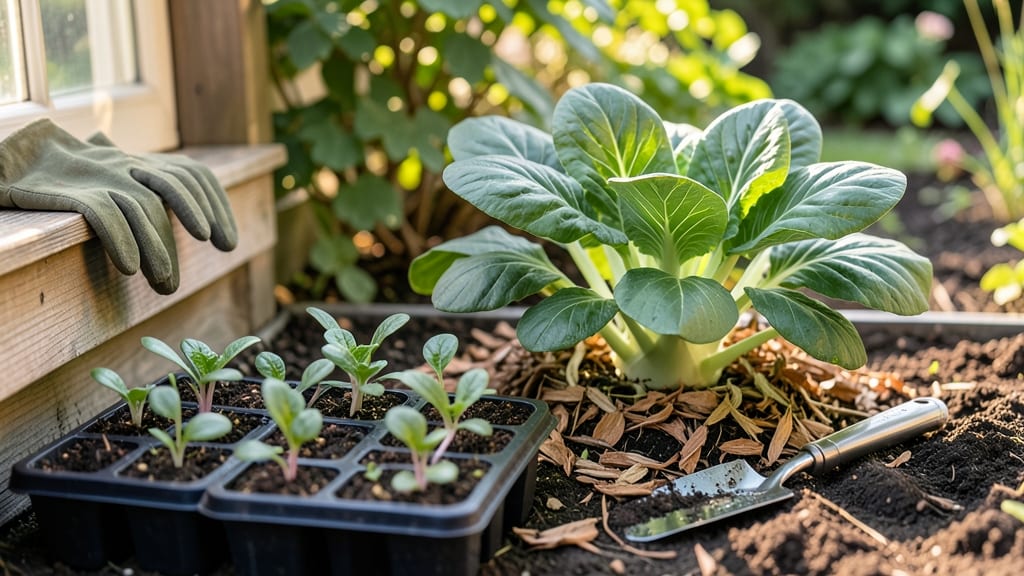
Timing your bok choy 🥬 planting in Zone 9 can mean the difference between a crisp harvest in 30 days and bitter disappointment when your greens bolt into flowers.
Unlike other vegetables, bok choy thrives in cooler months—so planting too early in summer heat or too late in spring risks stunted growth or bitter leaves.
If you’ve ever watched your bok choy shoot up into a bitter, flowering mess instead of staying tender and sweet, you’re not alone. The key is understanding Zone 9’s unique climate—where mild winters and warm springs create the perfect window for success.
I’ll show you exactly when to plant for peak flavor and texture, plus how to avoid common mistakes that derail even the most eager gardeners.
Ready to grow bok choy that’s ready to harvest in just 4-8 weeks? The secret starts with the right timing—whether you’re sowing seeds in September’s cooling air or extending your harvest into March’s last flush of growth.
Let’s dive into the exact planting schedule that works for Zone 9’s microclimates, from coastal breezes to inland heat pockets.
You’ll also discover how to stretch your bok choy season year-round, even in Zone 9’s occasional heat spikes. With the right approach, you can enjoy fresh, homegrown greens straight from your garden—no bolting, no stress, just crisp, delicious bok choy all season long.
Optimal bok choy planting windows in Zone 9 (avoid bolting)
Zone 9’s mild winters and warm springs create perfect conditions for growing bok choy, but timing is everything. Plant too early, and heat will trigger bolting (flowering) before harvest.
Plant too late, and you’ll miss the cool-season window when bok choy thrives. The key is fall and winter planting, with strategic summer options for heat-tolerant varieties.
Bok choy grows best when daytime temperatures stay between 60°F and 75°F. In Zone 9, this means avoiding summer heatwaves (above 85°F) and late-winter warmth (above 70°F). Coastal areas like San Diego can extend planting slightly later than inland Los Angeles due to cooler ocean breezes.
Here’s the exact planting schedule for Zone 9, broken down by season to maximize harvests without bolting:
| Season | Planting Window | Ideal Temperature Range | Harvest Window | Notes |
|---|---|---|---|---|
| Early Fall | Late August - Early September | 65°F - 75°F (day) | October - November | Best for coastal areas; avoid inland heat. |
| Fall | September - October | 60°F - 70°F (day) | November - December | Prime time for crisp, sweet bok choy. |
| Winter | November - January | 55°F - 65°F (day) | December - February | Slow growth; use shade cloth if temps drop. |
| Early Spring | February - March | 60°F - 70°F (day) | March - April | Watch for early heat spikes; use shade. |
| Summer (Heat-Tolerant Varieties) | June - July (shade only) | Below 80°F (day) | July - August | Use ‘Toy Choy’ or ‘Shanghai’ varieties. |
For continuous harvests, I recommend starting a new batch every 2–3 weeks from September through March. This ensures you always have fresh bok choy ready in 30–40 days.
In coastal Zone 9 (e.g., Santa Barbara), you can even squeeze in a late-summer planting in August using shade cloth to protect seedlings from afternoon sun.
If you’re in inland Zone 9 (e.g., Phoenix or Riverside), focus on fall and winter plantings and avoid summer attempts unless you’re using heat-tolerant varieties like ‘Joi Choi’. These varieties can handle up to 85°F with proper shade and consistent watering.
Pro tip: Use a thermometer to monitor soil temps—bok choy roots prefer 60°F–70°F. If your soil heats up above 75°F, delay planting or provide drip irrigation shade cloth to keep roots cool.
Bolting is the #1 enemy of Zone 9 bok choy growers, but with this timing, you’ll avoid it entirely. Next, we’ll cover how to space plantings for nonstop harvests—stay tuned!
How to time bok choy successions for continuous harvests
To enjoy fresh bok choy every 30 days in Zone 9, I’ve perfected a succession planting schedule that aligns with our mild winters and warm springs. Start your first batch in late August (just before summer heat peaks) and repeat every 2–3 weeks until March.
This ensures a steady supply without gaps—perfect for stir-fries or salads year-round!
For small gardens or containers, space seeds 8–12 inches apart in rows 12–18 inches apart. Use heat-tolerant varieties like ‘Toy Choy’ or ‘Joi Choi’ for summer plantings, while cold-hardy types like ‘Baby Bok Choy’ shine in winter.
Pro tip: Shade cloth (30%) helps protect seedlings from afternoon sun during hot spells.
Here’s my step-by-step succession plan for Zone 9, tailored to avoid bolting and maximize yields:
- Late August: Sow first batch under partial shade (avoid summer heat). Use heat-tolerant varieties like ‘Joi Choi’.
- September–March: Plant new batches every 2–3 weeks for continuous harvests. Space seeds 8–12 inches apart.
- April–May: Switch to shade cloth (30%) if temperatures exceed 85°F. Opt for faster-maturing varieties like ‘Baby Bok Choy’.
- June–July: Skip planting—focus on microgreens instead (harvest in 2–3 weeks).
- August: Repeat late-summer planting with shade protection to extend the season.
For containers, choose 5-gallon pots with drainage holes and plant 4–6 seeds per container. Use a lightweight potting mix amended with compost to retain moisture. Water morning and evening during summer to prevent bolting, and reduce to once daily in cooler months.
One of my biggest harvesting hacks is to cut outer leaves first when they reach 6–8 inches—this encourages regrowth for a second harvest in 2–3 weeks.
If you’re growing baby bok choy (microgreens), snip leaves at 2–3 inches tall for a quick, peppery snack. Just avoid letting plants flower, or they’ll turn bitter!
With this schedule, you’ll enjoy crisp, tender bok choy from October through May, with minimal effort. The key? Stay consistent with plantings and watch your garden become a year-round salad bar! 🥬