
Plants
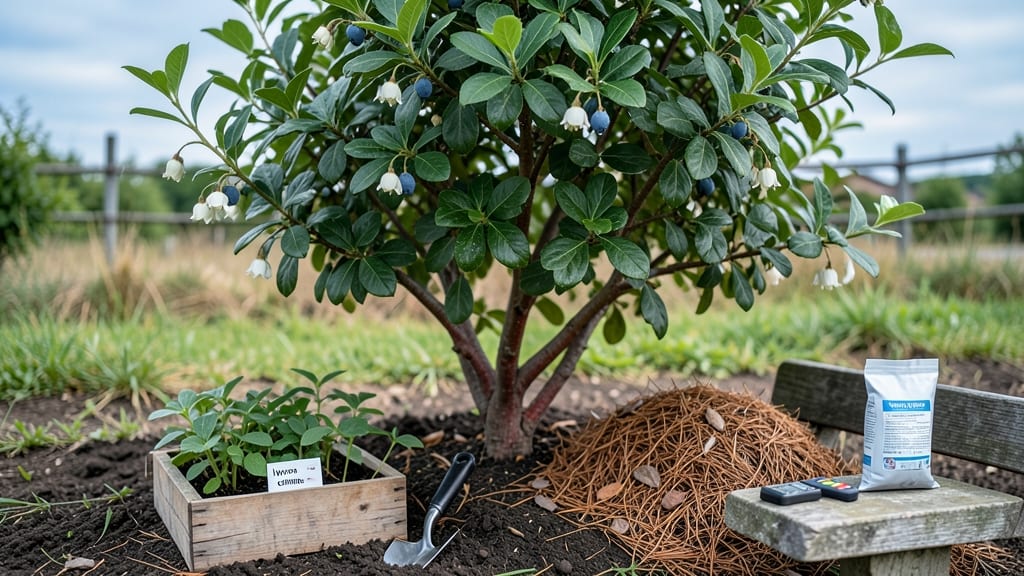
Timing your blueberry planting in Iowa isn’t just about the calendar—it’s about matching your bushes to the chill hours your region needs. Skip this step, and you might end up with stunted plants or no fruit at all.
The key? Planting between late April and early June when the soil warms to 40-50°F—but only after the last frost, which typically passes around April 15.
Iowa’s 5a-5b zones demand precision, especially since varieties like 'Bluecrop' need 800-1,000 chill hours while 'Patriot' thrives with just 400-600. Get this wrong, and your 🫐 bushes might struggle to produce those sweet summer berries you’re dreaming of.
Whether you’re planting bare-root saplings or container-grown bushes, the window is tight—but don’t stress. I’ll walk you through how to prep your soil, choose the right variety for your microclimate, and even avoid common mistakes that could derail your harvest. Ready to turn your backyard into a blueberry powerhouse?
Let’s dive into the exact timing, soil secrets, and chill-hour math that’ll set your blueberries up for success—so you can enjoy that first harvest in July or August without a hitch.
Iowa’s best planting months for blueberries based on chill hours
Iowa’s climate demands precision when planting blueberries—getting the timing wrong can mean the difference between a bountiful harvest and a struggling bush. The key lies in chill hours, which measure the number of hours below 45°F your plants need to produce fruit.
Most Iowa varieties require 400-1,000 chill hours, so choosing the right planting window is critical.
For Northern Iowa (USDA Zone 4), where winters are colder, aim to plant blueberries in early spring (late April to early May) when soil temperatures reach 40-50°F. This gives roots time to establish before summer heat arrives.
In Southern Iowa (Zone 5), you can plant slightly later, around mid-April to early June, but always wait until after the last frost date.
Fall planting is also an option in Iowa, but it requires careful timing. Plant blueberries in late August to early September to allow roots to establish before winter dormancy. However, avoid planting too close to frost, as young roots won’t have time to harden off.
Always check your local last frost date—Iowa’s ranges from April 15 in the north to May 1 in the south.
Here’s a quick reference for Iowa’s blueberry planting windows based on chill hours and frost risk:
| Zone | Best Planting Window | Chill Hours Needed | Soil Temp Threshold | Notes |
|---|---|---|---|---|
| Zone 4 (North) | Late April - Early May | 600-1,000 hours | 40-50°F | Wait for last frost; use cold-hardy varieties like 'Patriot'. |
| Zone 5 (South) | Mid-April - Early June | 400-800 hours | 45-55°F | Fall planting possible in late August; avoid heatwaves. |
| Both Zones (Fall) | Late August - Early September | Same as above | 50-60°F | Water deeply before dormancy; mulch heavily. |
When planting bare-root blueberries, do so as soon as possible after purchase to prevent root drying. For container-grown plants, you can plant slightly later, even into early summer, but expect a delayed first harvest.
Always dig a hole twice as wide as the root ball and amend the soil with peat moss or sulfur to maintain the ideal pH of 4.5-5.5.
Iowa’s spring planting window is ideal for most gardeners because it aligns with natural growth cycles.
However, if you’re in a warmer microclimate (like near a river or urban heat island), you might push planting to early June—just be prepared to protect young plants from late-spring frosts with row covers or frost cloth.
One common mistake is planting too early, which can expose young roots to frost heave or freezing temperatures. To avoid this, use a soil thermometer to confirm temperatures are consistently above 40°F before planting.
If you’re unsure, err on the side of waiting—blueberries are resilient and will recover better from a delayed start than from frost damage.
For urban gardeners in Iowa City or Des Moines, where microclimates can vary, monitor local weather forecasts closely. Urban areas often experience earlier soil warming in spring, so you might plant 1-2 weeks earlier than rural areas.
Conversely, rural Iowa may require waiting until mid-May to ensure safety from late frosts.
Remember, blueberries thrive with consistency. Whether you plant in spring or fall, prioritize well-draining, acidic soil and full sun exposure. With the right timing and care, your bushes will reward you with juicy, homegrown berries for years to come. 🫐
Iowa’s best planting months for blueberries based on chill hours
Iowa’s USDA Zones 4-5 demand precision when planting blueberries. The key is matching chill hours—the number of hours below 45°F—to your chosen variety.
Most Iowa blueberries need 400-1,000 chill hours, but southern Iowa (Zone 5) can handle lower-chill varieties like 'Jersey,' while northern Iowa (Zone 4) thrives with 'Bluecrop' or 'Patriot'.
Spring planting is ideal in Iowa, but timing depends on your last frost date. Aim for late April to early June after the soil warms to 40-50°F.
Fall planting is riskier due to early frosts, but if you must, plant in early September to allow roots to establish before winter.
| Zone | Best Planting Window | Chill Hours Needed | Top Varieties |
|---|---|---|---|
| Northern Iowa (Zone 4) | Late April - Early May | 800-1,000 hours | Bluecrop, Patriot, Earliblue |
| Southern Iowa (Zone 5) | Early May - Early June | 400-600 hours | Jersey, Duke, Legacy |
| Urban Iowa (Microclimates) | Late May - Early June | 500-700 hours | Top Hat (dwarf), Sunshine Blue |
For bare-root plants, plant as soon as possible after purchase—don’t let roots dry out. Container-grown blueberries can be planted year-round, but spring is still best. Always dig a hole twice as wide as the root ball to encourage root spread and improve drainage.
Iowa’s late-spring heatwaves can stress young plants, so mulch heavily with pine needles or wood chips to retain moisture. Water deeply once a week after planting to help roots establish before summer’s intensity.
Pro tip: Use a soil thermometer to confirm soil temps are above 40°F before planting. Cold soil slows root growth and increases disease risk. If frost is forecast within 2 weeks of planting, delay until conditions stabilize.
🌱