
Plants
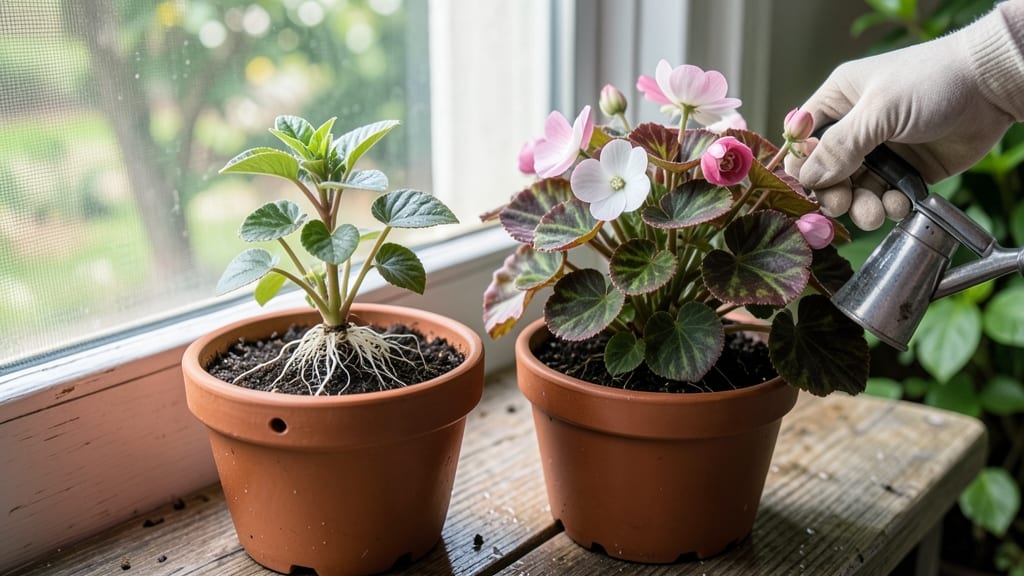
When to plant begonias in pots at the perfect moment can transform your patio into a vibrant, blooming sanctuary—or leave you with sad, frost-nipped failures. Timing matters because begonia leaves and flowers are delicate, and planting too early risks frost damage, while waiting too long can mean missing the peak season of color. In USDA Zone 6a, the ideal window is narrow: after the last frost but before summer’s scorching heat, typically April to May, when temperatures stay mild and the soil warms just enough to encourage lush growth.
But here’s the secret: containers give you flexibility. Unlike garden beds, pots let you move begonias indoors when temperatures dip or outdoors when the weather warms.
Whether you’re a first-time container gardener or a seasoned pro, I’ll walk you through the exact steps to plant, protect, and keep your begonias thriving all season long.
Ready to turn your balcony or windowsill into a blooming paradise? Let’s dive into the container-specific schedule that’ll keep your begonias happy—no matter where you live or what the weather throws at you.
Best months to plant begonias in pots by climate Zone
Timing your begonias correctly ensures vibrant blooms all season. Since begonias are tender perennials, they thrive in warm temperatures (above 50°F/10°C) and avoid frost.
In containers, you have more flexibility to adjust planting times based on your USDA hardiness zone, but knowing the right window prevents stress and extends their blooming period.
For USDA zones 6-7, wait until after your last frost date—typically mid-April to early May. In warmer zones (8-11), you can plant as early as March or even late February in Zone 10-11, where frost is rare.
The key is to plant when soil temperatures stay consistently above 55°F/13°C for at least a week.
Begonias in pots also allow for seasonal adjustments. If you want year-round blooms, start with tuberous begonias in early spring and transition fibrous begonias to containers in late spring. This staggered approach ensures continuous color without gaps.
Here’s how to align your planting schedule with your zone for optimal growth and longer blooming seasons:
| USDA Zone | Ideal Planting Window | Last Frost Date | Notes |
|---|---|---|---|
| 6-7 | Mid-April to early May | April 15 - May 10 | Wait until soil warms to 55°F+ |
| 8-9 | Early March to April | February 20 - March 15 | Can plant earlier with frost cloth |
| 10-11 | Late February to March | January 20 - February 15 | Year-round blooms possible |
For container-specific adjustments, note that pots heat up faster than garden beds. In hot climates (Zones 9-11), provide afternoon shade to prevent leaf scorch. In cooler zones, use black pots to absorb heat and extend the growing season by 2-3 weeks.
If you’re planting tuberous begonias, start them indoors 8-10 weeks before your last frost date. This gives them a head start and ensures they’re blooming by early summer. For fibrous begonias, which are more cold-tolerant, you can plant them 2-3 weeks later than tuberous types.
Another trick for extended blooming is to replace spent blooms regularly and fertilize lightly every 4-6 weeks with a balanced 10-10-10 fertilizer. This encourages continuous flowering, especially in containers, where nutrients deplete faster than in garden beds.
Finally, always choose containers with drainage holes and use a light, airy potting mix (like a 50/50 mix of peat moss and perlite). This prevents root rot, a common issue in pots, and keeps begonias thriving for months of vibrant color.
With the right timing and care, your potted begonias can bloom from early spring to late fall, turning your patio or balcony into a year-round garden oasis. 🌸
Best months to plant begonias in pots by climate Zone
Timing is everything when planting begonias in pots. These tropical plants thrive in warmth but wilt in cold snaps. For USDA zones 6-11, aim to plant after your last frost date—typically April to May in most regions.
In colder zones (6-7), wait until soil reaches 60°F (15°C) to avoid shock.
Tuberous begonias, like Begonia x tuberhybrida, need consistent warmth to sprout. Start them indoors 8-10 weeks before your last frost if you want an early jumpstart.
Fibrous begonias, such as Begonia semperflorens, are more forgiving and can handle cooler temps, making them ideal for late spring to summer planting.
🌱 Comparison Table: Planting Begonias by USDA Zone
| Zone | Ideal Planting Month | Key Consideration | Notes |
|---|---|---|---|
| 6-7 | May - June | Wait for soil to warm | Use black pots to absorb heat |
| 8-9 | April - May | Avoid late frosts | Extend season with row covers |
| 10-11 | March - April | Early start for blooms | Move pots to shade in summer |
If you’re in a warmer zone (10-11), you can plant as early as March for continuous blooms. Just ensure your pots have drainage holes and use a lightweight potting mix to prevent soggy roots.
In cooler zones (6-7), opt for heat-loving varieties like Begonia boliviensis and plant after Memorial Day.
For year-round blooms, time your planting to align with your region’s growing season length. In the South, you might plant in early spring and again in late summer for fall color.
In the North, focus on one strong planting in late spring and prioritize overwintering care to repeat the cycle next year.
Pro tip: Check your local frost dates using the USDA Plant Hardiness Zone Map. For example, Atlanta (Zone 8a) typically has a last frost around March 15, while Chicago (Zone 5b) waits until May 15. Adjust your schedule accordingly to avoid temperature stress.
Remember, begonias in pots are flexible—they adapt well to containers, so don’t stress over perfection. Just avoid extreme heat or cold, and your begonias will reward you with lush foliage and vibrant blooms all season long. 🌸