
Plants
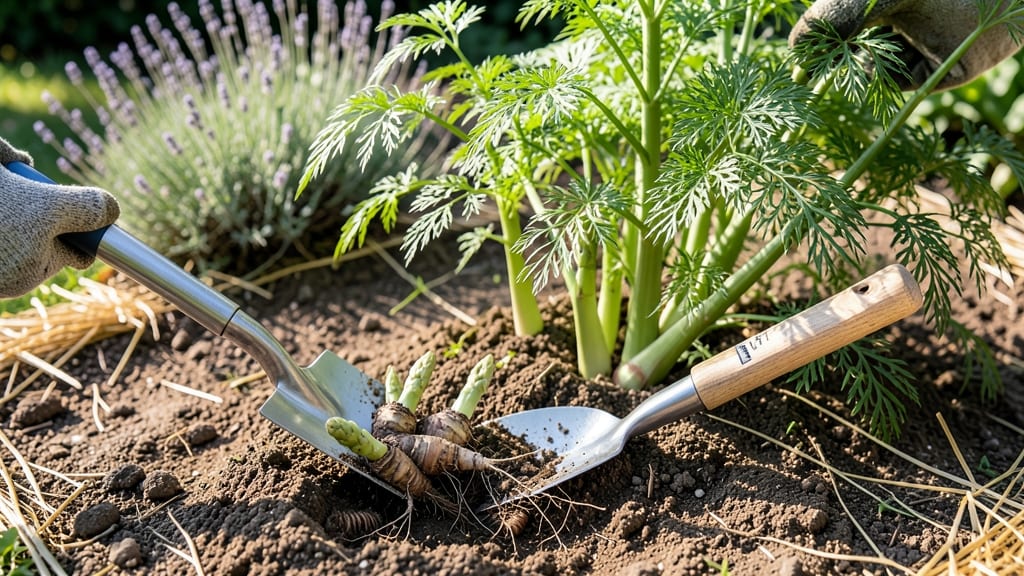
Planting asparagus in Minnesota isn’t just about timing—it’s about beating the 3-5 zone frost while giving your 🌱 crowns the best shot at survival. One wrong move, and you’ll either lose your crop to late snow or watch it struggle through a short growing season.
I’ve learned the hard way that Minnesota’s unpredictable spring means you can’t wait until the last frost warning to dig in your asparagus crowns.
The 2-4 week window before your last frost date (usually mid-May) is your golden opportunity—but only if you prep the soil right and account for those lingering cold snaps.
What if you miss that window? Don’t panic—fall planting is an option, but it comes with its own risks.
I’ll walk you through the exact dates for your specific zone, soil prep tricks to outsmart Minnesota’s heavy clay, and how to mulch like a pro to keep your asparagus thriving through late spring fluctuations.
By the end, you’ll know not just when to plant, but how to set up your asparagus for a harvest that’ll last years—not seasons. Let’s get those crowns in the ground the right way.
Minnesota asparagus planting dates by hardiness Zone (3-5)
Timing is everything when planting asparagus in Minnesota. The state’s USDA Zones 3-5 mean frost can strike anytime between mid-May and October, so getting those crowns in the ground at the right moment ensures strong root establishment before winter.
I’ve broken down the optimal planting windows by zone, including soil temperature thresholds and frost risk factors unique to Minnesota’s climate.
For Zone 3a (northern Minnesota), aim to plant asparagus crowns 2-4 weeks before your last expected frost—typically late April to early May. In Zone 4a/4b (central Minnesota), you’ve got a slightly longer window: mid-April to mid-May.
Gardeners in Zone 5a (southern Minnesota) can start as early as late March to early April, but watch for late frosts that can damage tender new shoots.
Soil temperature is your best indicator for planting time. Asparagus crowns need soil temps above 40°F (4°C) to root properly. Use a soil thermometer to check—if temps dip below this, delay planting until conditions stabilize.
In Minnesota, this often aligns with late April to early May for most regions, but early April in Zone 5a if you’re lucky with an early warm spell.
Here’s a quick reference for Minnesota’s frost-free period: Most areas enjoy 150 frost-free days, but northern zones (like Zone 3a) may only see 120-130 days. This short window means asparagus crowns must establish roots quickly—planting too late risks stunted growth before winter sets in.
Pro tip: If you’re in northern Minnesota (Zone 3a), consider fall planting in September for an early spring start. Crowns planted in fall have time to root before winter, giving them a head start in spring. Just ensure the ground isn’t frozen when you plant!
| Zone | Last Frost Date | Planting Window | Soil Temp Threshold | Frost Risk |
|---|---|---|---|---|
| Zone 3a | Mid-May | Late April–Early May | 40°F (4°C) | High (late frosts common) |
| Zone 4a | Early May | Mid-April–Early May | 40°F (4°C) | Moderate |
| Zone 4b | Late April | Late March–Early May | 40°F (4°C) | Low |
| Zone 5a | Early May | Late March–Early April | 40°F (4°C) | Very Low |
If you’re unsure about your last frost date, check the Minnesota State Climatology Office or use a frost calendar app like Old Farmer’s Almanac. These tools provide hyper-localized data that can shift your planting window by 1-2 weeks depending on your exact location.
For example, Duluth (Zone 3a) might have a later frost than Rochester (Zone 5a), even though they’re both in Minnesota.
One more critical tip: Asparagus crowns should never be planted in hot, dry soil. If your spring is unusually warm, wait until late April or May to avoid stressing the roots.
In my Zone 4a garden, I’ve learned the hard way that planting too early in a dry April leads to poor root establishment and weaker plants by harvest time.
For container gardening in Minnesota, plant asparagus in large pots (at least 12 inches deep) and move them to a sheltered spot if frost threatens. Containers warm up faster in spring, so you might plant 2-3 weeks earlier than in-ground plants—but monitor soil temps closely to avoid frost damage.
Remember, asparagus is a perennial, meaning it’ll produce for 10-15 years if planted correctly. Getting the timing right now means decades of harvests with minimal effort after the first year. Don’t rush—patience
How to prepare Minnesota soil for asparagus success
Asparagus thrives in well-draining, nutrient-rich soil with a pH between 6.5 and 7.5. Minnesota’s clay-heavy soils often need amendments to improve drainage and fertility before planting. Start preparing your soil 4-6 weeks before planting to give it time to settle and warm up.
First, conduct a soil test to check your pH and nutrient levels. Minnesota Extension offices offer affordable testing kits or services. If your soil is too acidic, add lime according to test recommendations. For alkaline soil, incorporate sulfur or peat moss to lower the pH gradually.
🌱 Key Soil Prep Steps for Asparagus
- Test soil pH (aim for 6.5-7.5)
- Add 2-4 inches of compost or well-rotted manure
- Mix in sand or perlite for clay-heavy soils (20-30%)
- Avoid fresh manure (can burn roots)
- Loosen soil to 12 inches deep for root growth
Minnesota’s heavy clay soils can suffocate asparagus roots, so incorporate organic matter like compost or leaf mold to improve structure. Work in 2-4 inches of compost mixed with the top 12 inches of soil.
For raised beds, use a mix of 50% topsoil, 30% compost, and 20% sand to create ideal growing conditions.
Asparagus is a perennial crop that benefits from phosphorus and potassium for root development. Apply a balanced fertilizer (10-10-10) at planting time, following package instructions. Avoid high-nitrogen fertilizers early in the season, as they encourage leafy growth at the expense of root establishment.
Before planting, create raised beds or mounds if your soil drains poorly. Asparagus roots are sensitive to waterlogged conditions, which are common in Minnesota’s spring thaw. Elevating the planting area by 6-12 inches helps prevent rot and encourages faster warming in early spring.
Finally, mulch the planting area with 2-3 inches of straw or wood chips after planting. This helps retain moisture, regulate soil temperature, and suppress weeds—critical in Minnesota’s cool, wet springs. Replace mulch annually as it breaks down to maintain soil health.