
Plants
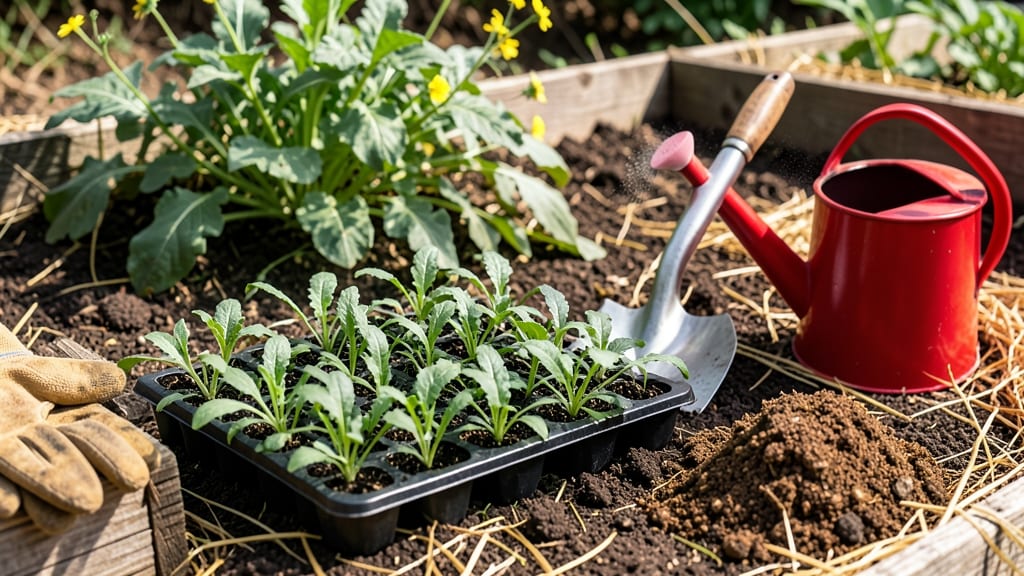
Planting arugula in Texas isn’t just about timing—it’s about outsmarting the heat and avoiding the dreaded bolt. 🥗 If you’ve ever watched your peppery greens turn bitter or flower too soon, you know the stakes.
The key to success lies in understanding Texas’s unique climate zones and when to sow seeds for crisp, flavorful harvests.
Texas gardeners in zones 8a-10b have two prime windows to grow arugula: late summer through fall and early spring. These periods offer cooler temperatures that prevent bolting, but even a few degrees too warm can send your plants racing to seed.
I’ll break down the exact months to plant and how to protect your crop from Texas’s infamous summer heat.
Why does this matter? Because arugula thrives when it’s cool, and Texas summers are anything but. Learning the right strategies—like shade cloth, mulching, and staggered plantings—can extend your harvest by weeks.
Let’s dive into the secrets that will keep your arugula growing strong, no matter where you are in the Lone Star State.
From soil prep to succession planting, I’ll cover everything you need to know to avoid common pitfalls. Whether you’re a seasoned gardener or just starting, these tips will help you grow arugula that’s ready to harvest just when you need it. Ready to transform your garden?
Texas arugula planting calendar: fall and spring windows explained
Arugula thrives in Texas's cooler months, but timing is everything. The USDA zones 8-11 in Texas offer two prime planting windows: fall and spring. Each region—North Texas, Central Texas, and South Texas—has slightly different frost dates, so adjust accordingly.
Planting outside these windows risks bolting (premature flowering) or heat stress.
In North Texas (Zones 8a-8b), the last frost typically hits around February 15, while the first frost arrives by December 1. This gives you a 10-month growing window for arugula.
Meanwhile, South Texas (Zones 9b-10b) enjoys milder winters, with frost-free periods lasting 200-300 days, making fall and spring the safest bets.
For fall harvests, aim to plant 4-6 weeks before the first frost. In North Texas, this means late August to early October. In Central Texas, extend planting to mid-October, and in South Texas, you can push it to early November.
These dates ensure your arugula matures before winter chill sets in.
Spring planting should begin 8-10 weeks before the last frost. In North Texas, start in late February to early March. Central and South Texas gardeners can begin as early as January, but avoid planting too soon—warm soil temperatures above 75°F trigger bolting.
Here’s a quick reference to avoid common mistakes. The summary table below breaks down planting windows, frost dates, and ideal harvest times by Texas region.
| Region | USDA Zone | Last Frost | First Frost | Fall Planting Window | Spring Planting Window |
|---|---|---|---|---|---|
| North Texas | 8a-8b | February 15 | December 1 | Late August - Early October | Late February - Early March |
| Central Texas | 8b-9a | February 1 | November 15 | Mid-August - Mid-October | January - Early March |
| South Texas | 9b-10b | January 1 | November 1 | Early August - Early November | December - Early March |
Once you’ve nailed down your planting window, soil temperature becomes critical. Arugula prefers soil temps below 70°F. Use a soil thermometer to monitor—if temps rise above 75°F, your arugula will bolt within days.
In South Texas, where summer heat lingers, consider shade cloth or drip irrigation to keep plants cool.
For fall plantings, focus on mature harvests before December. In North Texas, this means planting by September 15 for a November harvest. In South Texas, you can extend harvests into early December thanks to milder winters.
Always harvest outer leaves first to encourage regrowth and prolong your harvest.
In spring, prioritize early varieties like 'Astro' or 'Salad Bowl', which tolerate slight warmth better than heirlooms. Plant in partial shade if daytime temps exceed 80°F, even in spring. Mulch with straw or grass clippings to retain moisture and regulate soil temperature.
Pro tip: Succession planting every 2 weeks in fall and spring ensures a continuous harvest. For example, in North Texas, plant one batch in late August, another in mid-September, and a final batch in early October.
This staggered approach keeps your kitchen stocked with fresh arugula for months.
Remember, Texas heat is arugula’s enemy. Even a few days above 85°F will send your plants bolting. If you’re eager for summer greens, consider container gardening with shade cloth or grow lights. But
Texas arugula planting calendar: fall and spring windows explained
Arugula thrives in Texas’s cooler months, but timing is everything. Plant too early, and frost damages tender leaves. Too late, and heat triggers bolting. Texas spans USDA zones 8a-10b, so regional differences matter—North Texas (zone 8a) has later frosts than South Texas (zone 10b).
For fall harvests, aim to sow seeds 4-6 weeks before your area’s first frost. In North Texas, that’s late August to early October. South Texas gardeners can extend planting until mid-October, thanks to milder winters.
Spring planting starts 2-3 months before last frost—February to early March in most regions.
| Season | Planting Window | Harvest Window | Key Notes |
|---|---|---|---|
| Fall | Late August–October | October–December | Cool nights prevent bolting; mulch to insulate roots. |
| Spring | February–March | April–May | Avoid summer heat; use shade cloth if temps exceed 85°F. |
| Summer | Not recommended | N/A | Arugula bolts at 75°F+; try heat-tolerant varieties like 'Astro' in partial shade. |
Texas’s microclimates create nuanced planting zones. For example, Hill Country (zone 8a) needs earlier fall plantings than Houston (zone 9a). Check your last frost date—North Texas averages February 15, while South Texas sees frost as late as January 1.
Always plant 4-6 weeks before frost to ensure mature harvests.
Pro tip: Use succession planting every 2 weeks in fall to stretch harvests. Sow half your seeds in late August for early harvests, then repeat in September for late-season greens. This strategy works in both spring and fall, maximizing your peppery harvest.
Heat tolerance varies by variety. 'Astro' and 'Sylvetta' handle Texas summers better than traditional types. For extended harvests, pair these with shade cloth (30-50% block) during peak afternoons. Even 10 minutes of shade can reduce bolting risk.
Remember: Arugula’s ideal soil temp is 60-70°F. Soil thermometers are worth the investment—Texas’s summer soil temps often exceed 90°F, making germination nearly impossible. Test soil before planting to avoid wasted seeds.