
Plants
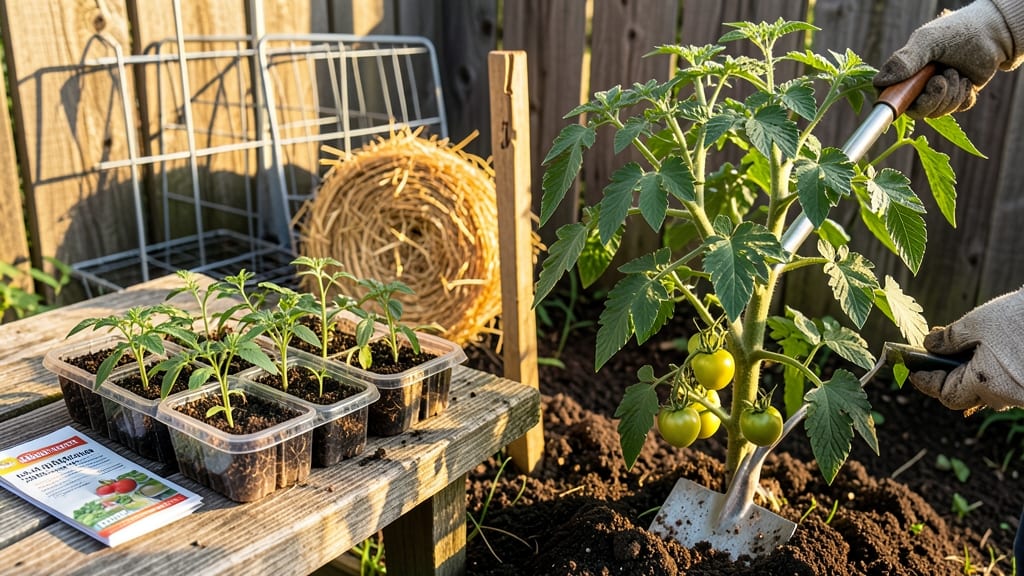
Indiana’s tomato planting timeline: frost dates & last spring freeze maps
Indiana’s USDA hardiness zones 5b-6b mean your tomato planting window hinges on last frost dates and soil temperatures. In southern Indiana (e.g., Evansville), the average last spring frost arrives by April 15, while northern areas (e.g., South Bend) often wait until May 1.
Always verify local data—your neighbors’ gardens might have a microclimate that’s 1-2 weeks earlier!
Tomatoes thrive when soil temperatures hit 60°F or warmer. Use a soil thermometer to confirm—cold soil stunts root growth.
In Indiana, this typically aligns with late April to early May, but black plastic mulch can warm soil 2-3 weeks earlier if you’re ambitious. Row covers add another layer of frost protection for early plantings.
Pro Tip: Check the National Weather Service’s frost probability maps or your local Cooperative Extension office for real-time updates. These resources adjust for unpredictable late frosts that can wipe out seedlings overnight. In 2023, northern Indiana saw a late-April freeze that delayed plantings by 3 weeks—don’t assume past patterns!
| Region | Avg. Last Frost | Ideal Planting Window | Soil Temp Goal |
|---|---|---|---|
| Southern IN (Evansville, Louisville) | April 15 | April 20–May 10 | 60°F+ |
| Central IN (Indianapolis, Muncie) | April 25 | May 1–May 15 | 60°F+ |
| Northern IN (Fort Wayne, South Bend) | May 1 | May 10–May 20 | 60°F+ |
🌱 Adjust for microclimates! South-facing slopes warm faster; valleys stay colder.
For early varieties like ‘Early Girl’ (50-day maturity), aim for April 20–May 1 in southern Indiana. Mid-season types (e.g., ‘Celebrity’) need until May 10–20, while late-season giants like ‘Better Boy’ should wait until after May 15. Planting too early risks blossom-end rot or fungal diseases from damp soil.
Indiana’s first fall frost typically arrives by October 15, giving you about 165 frost-free days. Use this to plan succession plantings: Sow a second batch of fast-maturing varieties (e.g., ‘Patio’ or ‘Tiny Tim’) in late June for a late-summer harvest.
Just be ready to cover plants if a September chill sneaks in!
If you’re starting seeds indoors, begin 6–8 weeks before your last frost (so February–March for most of Indiana). Use grow lights to prevent leggy seedlings—natural light in Indiana’s short winter days is insufficient for strong starts. Harden off seedlings for 7–10 days before transplanting to avoid shock.
Warning: Avoid planting tomatoes in cold, wet soil—this invites damping-off disease. Amend soil with compost and sand to improve drainage, especially in clay-heavy Indiana soils. A pH of 6.0–6.8 ensures your plants can absorb nutrients efficiently.
For container growing, use 5-gallon pots minimum and plant 2–3 weeks after your last frost—containers warm up faster but also dry out quicker. Place pots in full sun and water daily during heatwaves. In Indiana’s humid summers, prune lower leaves to improve airflow and reduce blight risk.
Track your local frost dates for 3 years to spot patterns—Indiana’s weather is unpredictable, but history helps! Use a planting calendar from your local nursery or Purdue Extension for hyper-local advice. With the right timing, you’ll beat frost and enjoy homegrown tomatoes from July through October!
Best tomato varieties for Indiana’s short growing season & heat tolerance
Indiana’s short growing season and hot summers demand tomato varieties that mature quickly and thrive in heat. Choosing the right type ensures a bountiful harvest before the first frost. For my garden, I focus on early-maturing and heat-resistant varieties that align with Indiana’s USDA zones 5b-6b.
Determinate tomatoes are ideal for Indiana because they produce fruit quickly and compactly, perfect for our 165-day frost-free window. Indeterminate varieties, while productive, may struggle in late summer’s heat unless given extra care. Let’s dive into the top 5 varieties that consistently deliver in my Indiana garden.
Top Tomato Varieties for Indiana
Early Girl
Days to Maturity: 50-55
Type: Indeterminate
Pros: Fast-growing, reliable, great for early harvests.
Cons: Needs staking, susceptible to late blight.
Celebrity
Days to Maturity: 65-70
Type: Determinate
Pros: Disease-resistant, heat-tolerant, consistent producer.
Cons: Smaller fruit size, needs full sun.
Better Boy
Days to Maturity: 70-75
Type: Indeterminate
Pros: Large fruit, high yield, great for sauces.
Cons: Needs strong support, late-season heat stress.
Patio (Bush) Tomatoes
Days to Maturity: 60-65
Type: Determinate
Pros: Compact, no staking needed, perfect for containers.
Cons: Lower yield, smaller fruit.
Solar Fire
Days to Maturity: 70-75
Type: Indeterminate
Pros: Heat-resistant, disease-resistant, high yield.
Cons: Needs pruning, large plant size.
For northern Indiana (closer to USDA zone 5b), prioritize early-maturing varieties like Early Girl or Patio Tomatoes to beat the first frost. In southern Indiana (zone 6b), you can afford slightly later varieties like Better Boy or Solar Fire, which thrive in the extended heat.
Pro tip: Pair indeterminate varieties with trellises or cages to save space and improve airflow, reducing disease risk in Indiana’s humid summers. Always check seed packets for days to maturity and align them with your local last frost date.
My favorite trick? Planting a mix of determinate and indeterminate varieties. Determinates give an early harvest, while indeterminates keep producing until frost. This strategy ensures a steady supply of tomatoes from July through October.
🌱 Don’t forget to harden off seedlings before transplanting—Indiana’s spring can still surprise you with late frosts!