
Planting
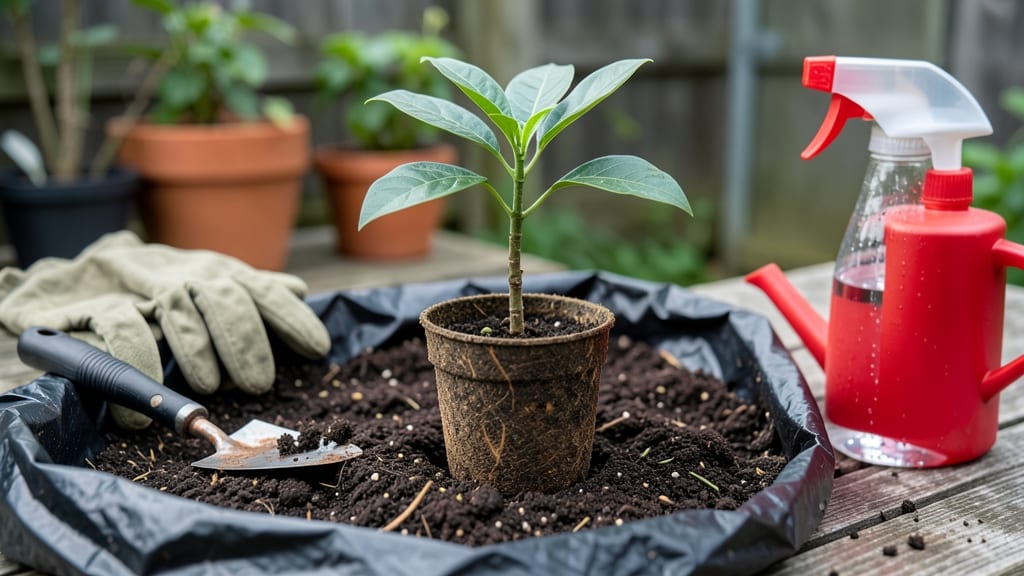
Deciding when you should put your avocado plant in soil can feel like guessing—plant too early, and you risk stunted growth; wait too long, and those delicate roots may suffer. The secret lies in watching for the right signals, like healthy root development and the perfect weather window.
Most gardeners in Zone 6a wait until after the last frost (typically mid-April), when soil temperatures hit at least 60°F. But timing isn’t just about the calendar—your seedling’s roots must be 2-3 inches long and firm, with a pale, fibrous texture.
Skipping this step often leads to transplant shock or weak growth.
In this guide, I’ll walk you through the key signs your avocado is ready, plus a foolproof transplant method to set your seedling up for success. No more guesswork—just a thriving plant that’s ready to grow into a lush tree.
Whether you’re a first-time gardener or just eager to avoid common mistakes, these tips will help you plant with confidence. Let’s get your avocado off to the best start possible!
How to check avocado seedling roots: 5 signs it’s ready for soil
Transplanting your avocado seedling too soon can shock its delicate roots, while waiting too long risks overcrowding in its water jar. The key is checking for healthy root development—specifically 3-4 inches of thick, white roots—before moving it to soil.
This stage usually takes 8-12 weeks, depending on warmth and humidity. If your seedling’s roots are still thin or brown, hold off on transplanting to avoid stunted growth.
Start by gently removing your avocado seedling from its water jar and inspecting the roots. Look for fibrous, white roots with a few thicker secondary roots—these indicate strength and readiness. Healthy roots should also smell fresh, not musty or rotten.
If you notice slimy or dark roots, your seedling may have root rot from overwatering, and it needs more time in water or a change in care.
Here’s what to watch for in your avocado seedling’s roots:
Timing matters too—aim to transplant your avocado seedling in spring or early summer (after your last frost date) when soil temperatures are above 60°F (15°C). Cold soil can shock roots and slow growth.
If you’re in a warmer climate, you can transplant year-round, but avoid extreme heat or cold snaps. For example, in Zone 6a, wait until after April 15 to ensure frost-free conditions.
Before transplanting, give your seedling a 12-hour break from water to let roots firm up slightly. This reduces transplant shock. Also, avoid fertilizing right before or after moving it to soil—wait 4-6 weeks to let roots establish.
Use a balanced 6-6-6 fertilizer once your seedling shows new growth in its new home.
If your avocado seedling has only 1-2 inches of roots or they’re still mostly thin and hair-like, return it to water for another 2-4 weeks. Patience here prevents root damage and sets your seedling up for stronger long-term growth.
Think of it like training for a marathon—your seedling needs time to build endurance before the big move!
Once your roots pass the
Step-by-step transplant process for avocado seedlings: from water to soil
Now that you’ve confirmed your avocado seedling is ready for soil, it’s time to prepare for the transplant. The key is to minimize stress on the delicate roots while giving your young plant the best possible start in its new home.
I’ve transplanted dozens of avocado seedlings, and I’ve learned that patience during this stage pays off with healthier, faster-growing trees.
Start by selecting a well-draining container or garden spot with loose, fertile soil. Avocado roots hate soggy conditions, so avoid heavy clay soils unless you’ve amended them with compost or sand. If planting outdoors, choose a location with at least 6 hours of sunlight—this is non-negotiable for avocados.
Mix 50% potting soil with 50% perlite or coarse sand to improve drainage. For outdoor planting, dig a hole twice as wide as your seedling’s root ball and add a 2-inch layer of compost to the bottom.
Give your seedling a deep watering 1-2 hours before transplanting. This hydrates the roots and reduces shock during the move. Let excess water drain completely to prevent root rot.
Tip the container to loosen the seedling, then slide it out while supporting the stem. If roots are circling tightly, use your fingers to gently tease them apart—this encourages outward growth in the new soil.
Bury the seedling no deeper than it was in water. The soil line on the stem should sit just below the soil surface. Deeper planting can suffocate the stem and cause rot.
Press the soil lightly around the base to remove air pockets, then water slowly and deeply until it drains from the bottom. This helps settle the soil and eliminates gaps.
Spread a 2-inch layer of mulch (like wood chips) around the base, keeping it 3 inches away from the stem. This retains moisture and regulates soil temperature. If transplanting outdoors in cooler months, cover the seedling with a frost cloth for the first week.
After transplanting, place your avocado seedling in a shady spot for the first 3-5 days to reduce stress. Gradually reintroduce it to full sun over the next week. Avoid fertilizing for 4-6 weeks—the plant needs time to establish roots before benefiting from extra nutrients.
Watch for yellowing leaves or wilting, which can signal transplant shock. If this happens, increase watering slightly and ensure the soil isn’t compacted. With proper care, your avocado seedling will adapt within 2-3 weeks and start growing vigorously.
Pro tip: If you’re transplanting outdoors, wait until soil temperatures reach at least 60°F (15°C)—this ensures roots won’t be shocked by cold soil. Use a soil thermometer to check if you’re unsure.