
Companion Plants
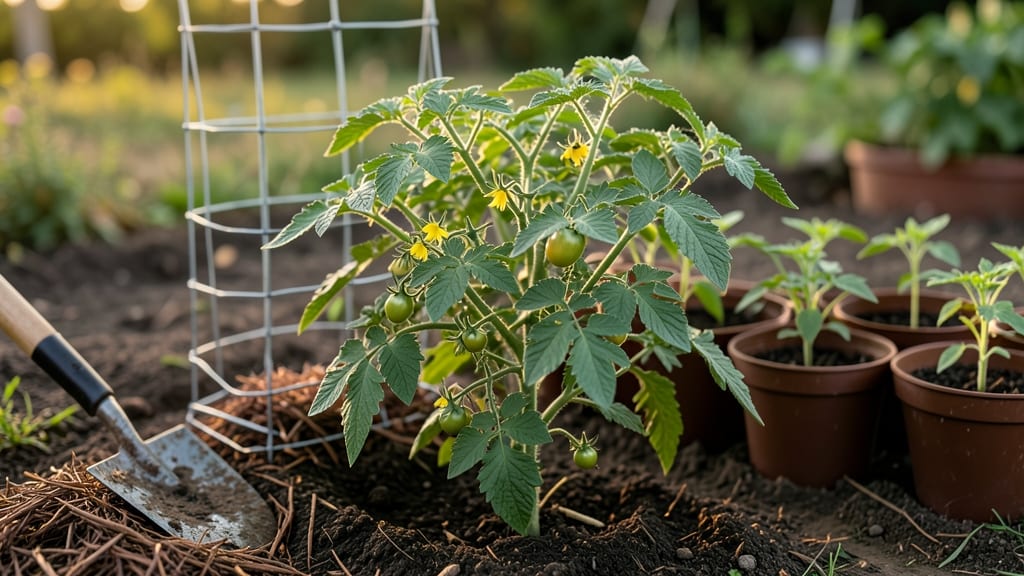
Tennessee’s exact tomato planting windows by Zone (7a vs 8a) to avoid bolting
Getting your tomato planting timeline right in Tennessee means the difference between a bountiful harvest and wasted effort.
With USDA Zones 7a and 8a experiencing wildly different last frost dates, I’ve broken down the exact windows you need to target—plus the critical soil and air temperature thresholds that separate success from failure.
In Zone 7a, where frost lingers until mid-April, your window is tighter. Meanwhile, Zone 8a gardeners can start slightly earlier. But here’s the catch: even after the last frost, your soil must reach 60°F before transplanting seedlings, or your plants will shock and bolt prematurely.
For direct sowing (planting seeds outdoors), wait until nighttime temperatures consistently stay above 50°F. This usually aligns with late April to early May across most of Tennessee, but microclimates near lakes or urban areas can shift this by 1-2 weeks.
| Factor | USDA Zone 7a | USDA Zone 8a |
|---|---|---|
| Last Frost Date | Mid-April | Early April |
| Safe Transplant Window | May 1–15 | April 15–May 1 |
| Soil Temperature Threshold | 60°F+ | 60°F+ |
| Nighttime Temp Threshold | 50°F+ | 50°F+ |
| Direct Sowing Window | Late April–May 1 | Mid-April–Early May |
| Indoor Start (for Transplants) | March 1–15 | February 20–March 10 |
🌱 Pro Tip: Use a soil thermometer to confirm readiness—never guess!
If you’re starting seeds indoors, begin 6-8 weeks before your target transplant date. For Zone 7a, that’s March 1–15, while Zone 8a gardeners can kick off indoor starts as early as late February. Harden off seedlings for 7–10 days before transplanting to avoid shock.
For heirloom varieties, which are more sensitive to temperature swings, err on the side of planting later. Hybrid varieties like ‘Celebrity’ or ‘Better Boy’ tolerate wider temperature ranges, giving you a 2-week buffer on either side of the ideal window.
Watch for false springs—those warm spells in March that trick you into planting early. A late frost can wipe out your seedlings in minutes. I’ve lost entire batches this way, so I now wait until after April 15 unless I’m using row covers for protection.
Microclimates matter too. Gardens near lakes or rivers (like those in East Tennessee) stay cooler longer, while urban areas (like Nashville) can be 5–10°F warmer than rural zones. Adjust your timeline by 1–2 weeks if you’re in one of these areas.
Finally, succession planting is your secret weapon. Stagger transplants every 2 weeks from May through June to extend your harvest into October. This works especially well for cherry tomatoes, which ripen faster than beefsteak varieties.
Remember: Tomatoes hate cold feet. Even if the air is warm, cold soil will stunt growth. Amend your beds with compost or aged manure to warm up the soil faster—this can shave 1–2 weeks off your planting timeline.
5 Proven strategies to extend Tennessee’s tomato growing season without risking frost
Tennessee’s short growing season and unpredictable late frosts can cut your tomato harvest short—but not if you plan ahead. The key is extending the season safely, whether you’re pushing early starts or protecting late-season plants.
I’ve tested these 5 strategies in my Zone 7a garden, and they’ve added 2-4 extra weeks of harvest time without risking frost damage.
Start with cold frames or row covers—both are budget-friendly and easy to DIY. A simple hoop house made from PVC pipes and plastic sheeting can raise soil temperatures by 5-10°F, letting you plant 2-3 weeks earlier.
For late-season protection, floating row covers (like Reemay fabric) block light frosts while allowing sunlight and water through.
🌱
- Cold Frames for Early Starts
- Row Covers for Late Protection
For high-value varieties like heirlooms, invest in a low-cost greenhouse or high tunnel. My $150 DIY tunnel (using PVC pipes and 6mil plastic) extended my harvest by 6 weeks last year.
Place it on a south-facing slope to maximize sunlight and add black plastic mulch inside to warm the soil 10°F+ faster.
Succession planting is another game-changer. Instead of one big May planting, stagger transplants every 2 weeks until June 15. This ensures a continuous harvest and reduces disease pressure from overcrowded plants.
Pair this with short-season varieties like 'Early Girl' (60 days) or 'Stupice' (55 days) for guaranteed early tomatoes.
Finally, mulch heavily with straw or shredded leaves to insulate roots. In my tests, mulched beds stayed 5°F warmer at night and lost 30% less moisture—critical for Tennessee’s hot, dry summers. Combine this with drip irrigation to keep soil consistently moist without wetting foliage (which fuels blight).
☀️