
Plants
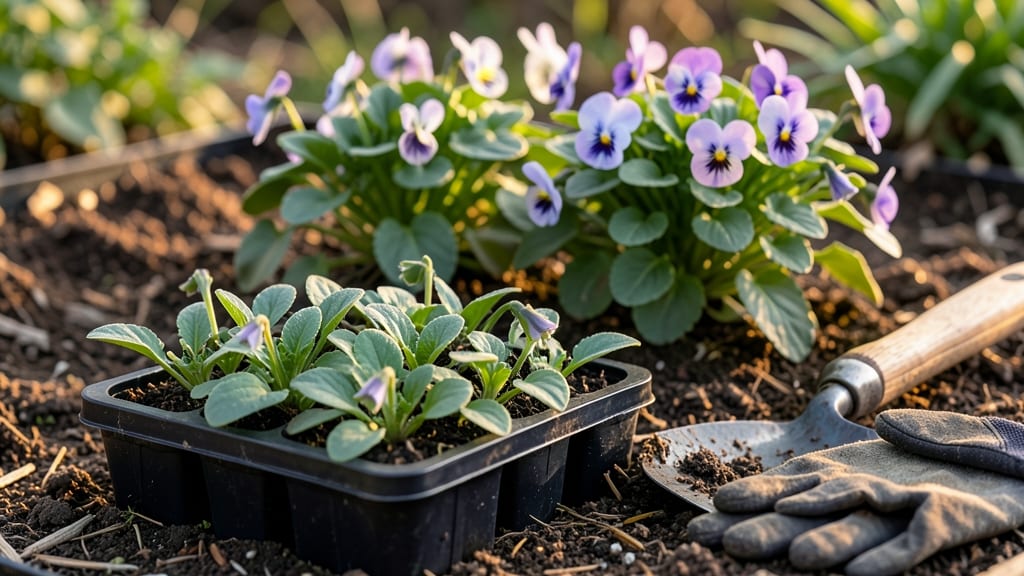
Optimal Georgia planting windows for pansies: fall vs spring timing explained
Pansies thrive in Georgia’s mild winters and humid climate, but timing is everything. Plant too early, and they’ll bolt in summer heat; too late, and frost will stunt growth.
The key is 6-8 weeks before the first frost for fall blooms or 4-6 weeks before the last frost for spring color. Let’s break down the perfect windows for Georgia’s USDA zones 7b-8b.
For fall planting, aim for mid-September to early October. This gives pansies time to establish roots before winter while avoiding summer’s scorching heat. In northern Georgia (zone 7b), where first frosts hit by mid-November, September is ideal.
In southern Georgia (zone 8b), you can extend planting until early November—just watch for early frosts.
Spring planting should happen 4-6 weeks before your last frost date, typically late February to mid-March. This timing ensures pansies bloom through spring without suffering from late-season freezes.
Coastal areas like Savannah may push planting to early March, while inland regions like Athens should plant by mid-February.
🌱 Georgia Pansy Planting Timeline
| Season | Planting Window | Key Temperature Threshold | Georgia Region |
|---|---|---|---|
| Fall | Mid-September to Early October | Soil temp: 50-65°F | Zone 7b-8b |
| Fall (Extended) | Early November | Before first frost | Zone 8b (coastal) |
| Spring | Late February to Mid-March | 4-6 weeks before last frost | Zone 7b-8b |
| Spring (Coastal) | Early March | Warmer microclimates | Zone 8b |
✅ Pro Tip: Use a soil thermometer to confirm temps are 50-65°F before planting.
Missed the fall window? Don’t worry—pansies are hardy perennials that tolerate light frost. You can even plant in December if temps stay above 25°F, though blooms may be delayed. Just protect them with mulch or frost cloth if a hard freeze is forecasted.
For container gardening, timing shifts slightly. Plant 2 weeks earlier in fall (late August) and 2 weeks later in spring (early April) since pots warm up faster. Use self-watering containers to prevent drying out in Georgia’s summer heat.
Remember, pansies hate summer heat. If you plant in late spring (April-May), they’ll struggle and may go dormant. Instead, treat them as annuals and replant in fall for a second season of color. This two-season approach maximizes your Georgia garden’s year-round blooms.
Now that you’ve got the timing down, let’s tackle the 5 critical factors to ensure your pansies thrive in Georgia’s unique climate—from soil prep to microclimate adjustments. Stay tuned!
Optimal Georgia planting windows for pansies: fall vs spring timing explained
Georgia’s USDA zones 7b-8b create ideal conditions for pansies, but timing is everything. Planting too early or late can stunt growth or invite frost damage. The key windows are early fall (September-October) for winter blooms and late winter (February-March) for spring color.
For fall planting, aim for 6-8 weeks before the first frost—typically mid-September to early October. This gives pansies time to establish roots before winter. In spring, plant 4-6 weeks before the last frost (usually February 15-March 1), ensuring they bloom by early spring.
Here’s how Georgia’s microclimates affect timing: Coastal areas (like Savannah) can plant 2 weeks later due to milder winters, while inland regions (like Athens) should plant 2 weeks earlier to avoid early frosts.
🌸
| Planting Window | Best Months | Soil Temp | Key Goal |
|---|---|---|---|
| Fall Planting | September-October | 50-65°F | Winter blooms, frost prep |
| Spring Planting | February-March | 55-60°F | Early spring color |
| Coastal Adjustment | October-November | 55-60°F | Later frost dates |
| Inland Adjustment | August-September | 50-55°F | Earlier frost risk |
Avoid planting in late summer (July-August) when Georgia’s heat can stress seedlings. Similarly, late fall (November) plantings risk frost damage before roots establish. For containers, plant 2 weeks earlier—they dry out faster and need extra time to acclimate.
Pro tip: Check your local extension office for precise frost dates—Atlanta’s last frost is typically March 15, while Savannah’s can be March 22. Adjust your schedule accordingly!
🌿