
Trees
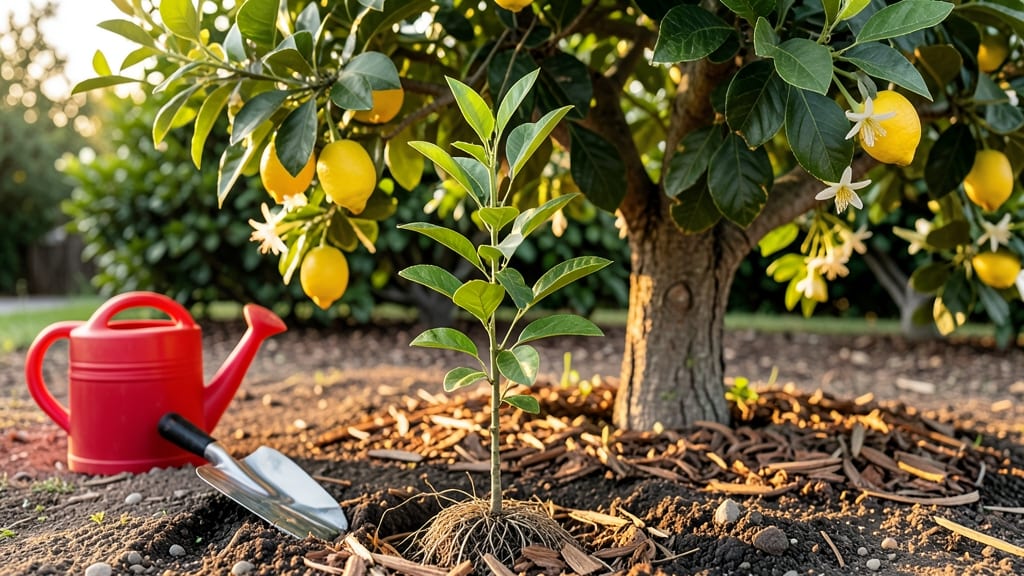
Optimal Arizona planting windows for citrus trees by heat zone
Arizona’s diverse heat zones mean your citrus tree’s survival depends on planting at the right time. The Low Desert (Phoenix, Tucson) and High Desert (Flagstaff, Prescott) have different frost risks and temperature thresholds.
For both zones, the ideal window is September through November, but timing shifts slightly based on elevation and microclimates.
In the Low Desert, where winters are mild, you can plant as late as mid-December—just avoid the rare January frost that can hit unexpected areas. Meanwhile, the High Desert demands earlier planting, ideally by October 15th, to give roots time to establish before sub-freezing temps arrive.
Even a 28°F night can kill young citrus.
Here’s how to match your location to the perfect planting window:
| Heat Zone | Best Planting Months | Avoid Planting After | Soil Prep Tip | Key Risk |
|---|---|---|---|---|
| Low Desert (Phoenix, Tucson) | September–November | Mid-December | Amend with sand and compost to improve drainage | Sudden 30°F drops in January |
| High Desert (Flagstaff, Prescott) | September–October 15th | November 1st | Use mulch to insulate roots from cold snaps | Frost below 28°F for 2+ hours |
| Transition Zones (Mesa, Sedona) | October–November 1st | December 1st | Plant near south-facing walls for winter warmth | Microclimate frost pockets |
For container-grown citrus, you have more flexibility—plant anytime except during peak summer heat (June–August). Containers warm up faster, and roots can overheat in 100°F+ temps. If you must plant in summer, use shade cloth for the first 30 days to reduce stress.
Pro tip: Check your local Cooperative Extension Service frost dates. For example, Tucson’s last frost averages January 10th, while Flagstaff’s can hit as early as October 20th. Planting too late in either zone risks root damage from cold snaps.
Once you’ve picked your window, soil temperature becomes critical. Citrus roots thrive when soil stays above 60°F. Use a soil thermometer to confirm—if temps drop below this, delay planting until conditions improve. In the Low Desert, this usually means waiting until November 1st.
After planting, focus on watering deeply (10–15 gallons per tree) to encourage root spread. Avoid shallow watering, which leads to weak roots and poor heat tolerance. Mulch with 3–4 inches of wood chips to retain moisture and regulate soil temps.
Finally, choose dwarf or semi-dwarf varieties like ‘Meyer lemon’ or ‘Calamondin orange’ for easier care in Arizona’s climate. These mature at 8–12 feet, making them ideal for containers or small yards where frost pockets are a concern.
Timing your citrus planting right means faster fruit production and longer tree lifespan. With Arizona’s climate, patience in the fall pays off with juicy oranges by spring—not to mention avoiding the heartbreak of a frost-killed sapling.
Critical factors that determine success: soil, water, and sunlight
Arizona’s alkaline soil and intense sunlight can make or break your citrus tree’s survival. Unlike coastal regions, our soil often lacks organic matter, while the sun’s intensity can scorch young roots if not managed properly.
Understanding these three factors—soil pH, watering depth, and sun exposure—will ensure your tree thrives from day one.
Start with a soil test to check pH levels, which should ideally range between 6.0 and 7.5 for citrus. If your soil tests higher (common in Arizona), amend it with sulfur or peat moss to lower pH gradually.
Citrus trees hate soggy roots, so prioritize well-draining soil by mixing in compost or sand if your yard’s natural soil is clay-heavy.
Watering in the early morning (4-6 AM) minimizes evaporation and fungal risks. Avoid wetting the foliage, as this encourages diseases like citrus canker. Use a drip irrigation system or soaker hose to deliver water directly to the roots, conserving moisture and reducing waste.
Citrus trees crave full sun (6+ hours daily), but Arizona’s midday heat can be brutal. Plant your tree where it gets morning sun and afternoon shade from a nearby structure or taller plant.
If you’re growing in a container, place it near a south-facing window or move it to a shaded patio during peak summer afternoons.
Mulch around the base of your tree with 2-4 inches of organic mulch (like wood chips or straw) to retain moisture and regulate soil temperature. Keep mulch 3-4 inches away from the trunk to prevent rot.
This simple step can improve survival rates by up to 30% in Arizona’s extreme climate.
Finally, monitor your tree’s leaf color and growth rate as indicators of stress. Yellowing leaves often signal overwatering or nutrient deficiency, while crispy edges point to underwatering or sunburn. Adjust your care routine accordingly to keep your citrus tree healthy and productive.