
Plants
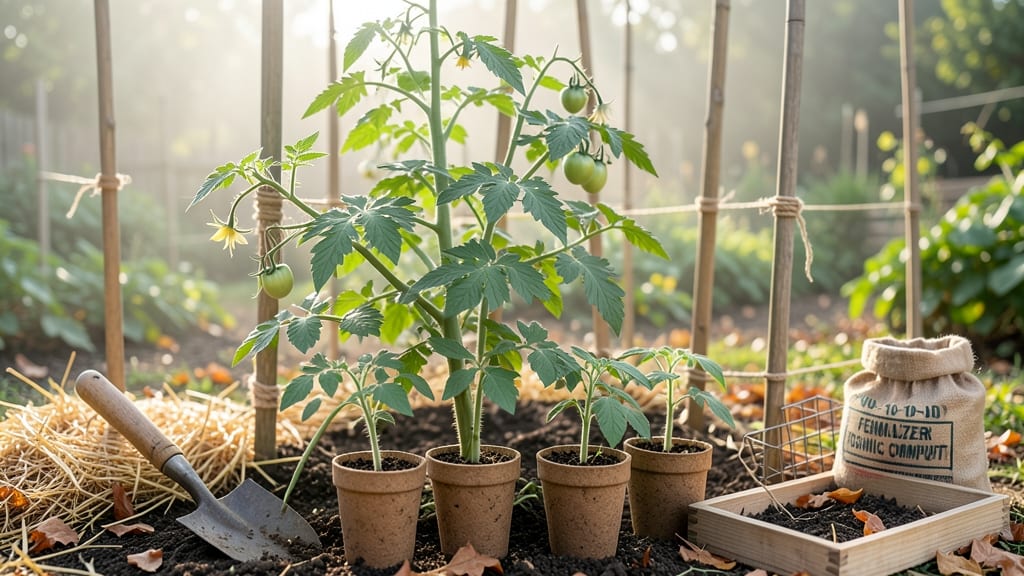
If you've ever dreamed of plucking a ripe, sun-warmed 🍅 straight from your Illinois garden, timing is the secret ingredient—plant too soon, and frost will steal your harvest; too late, and summer's swelter arrives before your tomatoes even think about fruiting.
I've spent years perfecting the art of Illinois tomato planting, and what I'm about to share will help you avoid those common mistakes.
Whether you're a first-time gardener or a seasoned green thumb, knowing exactly when to plant tomatoes in Illinois means the difference between a meager harvest and a bounty that lasts all summer.
From Northern Illinois' cooler springs to Southern Illinois' longer growing seasons, the right planting window varies dramatically. We'll cover everything from soil temperature checks to regional frost dates so you can start seeds indoors or transplant seedlings at the perfect moment.
Ready to grow tomatoes that thrive from Chicago to Carbondale? Let's dive into the exact dates, varieties, and pro tips that will transform your garden into a juicy, red paradise.
Illinois tomato planting dates by region: last frost & heat zone maps
Illinois gardeners face a tricky balance—too early, and a late frost zaps your seedlings. Too late, and summer heat arrives before your tomatoes mature.
The key? Planting after the last average frost date (typically April 15–May 15 across the state) but before soil temperatures hit 85°F, which stresses young plants.
Illinois spans USDA Zones 5–6, with northern regions (like Chicago) needing a later start than southern areas (like St. Louis). Northern Illinois (Zones 5a–5b) has the shortest growing season, while Southern Illinois (Zone 6a) enjoys an extra 2–3 weeks of warmth.
Always check your local frost dates—the Illinois State Water Survey provides updated maps.
For direct sowing (planting seeds outdoors), wait until soil reaches 60°F and nighttime temps stay above 50°F.
For transplants (store-bought seedlings), aim for 2–3 weeks after your last frost date. Northern Illinois gardeners should start seeds indoors in March, while Southern Illinois can begin outdoor sowing in late April.
| Region | Last Avg. Frost | Direct Sow Window | Transplant Window | Soil Temp Goal | Heat-Tolerant Varieties |
|---|---|---|---|---|---|
| Northern IL (Chicago, Rockford) | May 1–15 | Late May–early June | April 20–May 10 | 60–65°F | Early Girl, Stupice |
| Central IL (Peoria, Springfield) | April 15–30 | Early–mid May | April 1–May 1 | 60–65°F | Celebrity, Heatmaster |
| Southern IL (St. Louis, Carbondale) | April 1–15 | Late April–early May | March 20–April 15 | 65–70°F | Sungold, Brandywine |
Don’t rely solely on dates—monitor soil temperature with a soil thermometer ($10 at garden centers). Cold soil slows germination, while hot soil (above 85°F) can kill seedlings. Northern Illinois gardeners should use black plastic mulch to warm soil faster, while Southern Illinois may need shade cloth during extreme heat.
For container gardening (common in urban areas like Chicago), plant 1–2 weeks later than in-ground tomatoes—pots heat up faster. Use 5-gallon containers for dwarf varieties like Tiny Tim or Patio Princess, and place them in full sun (6+ hours daily).
Containers also dry out faster, so water daily during Illinois’ hot summers.
Pro tip: Succession plant every 2 weeks after your initial planting for a continuous harvest. For example, if you plant your first batch on May 1, follow with another on May 15 and June 1.
This stretches your harvest from July to October, beating Illinois’ first frost (typically October 15–November 1).
If you’re starting seeds indoors, begin 6–8 weeks before your last frost date. Use grow lights or a sunny windowsill (south-facing) to prevent leggy seedlings. Hardening off (acclimating seedlings to outdoor conditions) takes 7–10 days—skip this, and your plants may shock and wilt.
Finally, avoid planting tomatoes in the same spot yearly. Illinois’ humid climate increases soil-borne diseases like early blight. Rotate with nightshade-free crops (beans, peas, or lettuce) to keep your soil healthy. Compost-rich soil also boosts resilience—aim for 2–3 inches of compost mixed into your planting bed before transplanting.
🌱
How to extend your Illinois tomato season: succession planting & cold frame tips
If you love homegrown tomatoes but hate the short Illinois growing season, don’t worry—there are smart ways to stretch your harvest. Succession planting and protective structures like cold frames can add weeks (or even months!) to your tomato-growing window.
These tricks help you beat late frosts and early cold snaps while maximizing your garden’s potential. With the right approach, you could enjoy tomatoes from June through October—or longer! 🌱
The key to extending your season lies in understanding microclimates and planting schedules. Illinois’ climate varies dramatically from north to south, so your strategy should adapt to your specific zone.
For example, Northern Illinois gardeners might focus on cold-hardy varieties and early starts, while Southern Illinois can push later plantings. Let’s break down the best methods to keep your tomato plants thriving beyond the typical season. ✂️
Step-by-Step Guide to Extending Your Tomato Season
- Start with cold frames or row covers: Use them to protect seedlings from late spring frosts (after May 15 in most of Illinois). This buys you 2-3 extra weeks of planting time.
- Succession plant every 2 weeks: After your first planting, sow new seeds or transplant seedlings every 14 days until July 1 for a continuous harvest.
- Choose heat-tolerant varieties: Opt for ‘Solar Fire’ or ‘Heatmaster’ tomatoes, which thrive in 90°F+ temperatures that would stress other plants.
- Use black plastic mulch: Warms soil faster in spring and retains heat longer in fall, extending the growing window by 1-2 weeks on each end.
- Harvest late-season tomatoes indoors: If frost threatens, dig up mature plants and hang them upside down in a bright, cool garage to ripen over 2-4 weeks.
One of the most effective ways to extend your season is through succession planting. This technique involves planting new tomato seeds or seedlings every 2-3 weeks after your initial planting.
For Illinois gardeners, this means starting your first batch in late April to early May (depending on your zone), then following up with additional plantings through mid-July. Each new batch will mature at a different time, giving you a steady supply of tomatoes from summer through early fall. 🌿
Don’t overlook the power of protective structures like cold frames or row covers. These simple setups can create a microclimate that’s 5-10°F warmer than the surrounding air, allowing you to plant earlier in spring or extend harvests into fall.
For example, a cold frame can push your first planting date back by 3-4 weeks, while row covers can protect late-season plants from light frosts in October. These tools are especially valuable in Northern Illinois, where growing seasons are shorter. ☀️
For urban gardeners or those with limited space, container gardening offers another way to extend your season. Use large pots (5+ gallons) filled with heat-retaining materials like coconut coir or compost.
Place containers in sunny spots and move them closer to your home’s south-facing wall at night to retain warmth. With this setup, you can often grow tomatoes 1-2 months longer than in-ground plants. 🪴
Finally, pay attention to soil temperature—it’s the ultimate deciding factor for early or late plantings. Tomatoes need soil that’s at least 55°F to germinate and 60°F+ to thrive.
Use a soil thermometer to monitor conditions, and consider black plastic mulch or straw bales to warm the soil faster in spring. In fall, these same techniques help insulate roots against early cold snaps, keeping plants productive longer.
With these strategies, you’ll turn Illinois’ short season into a long, bountiful tomato harvest! 🌻