
Plants
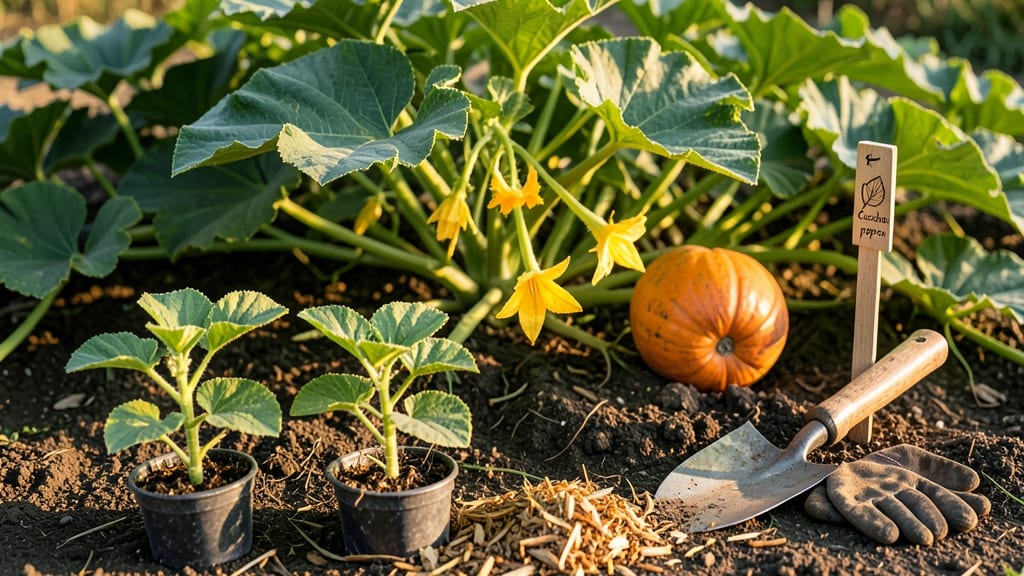
If you've ever dreamed of planting pumpkins in Pennsylvania big enough to carve into a Halloween masterpiece, timing is everything in the state's variable climate. Planting too early risks frost damage, while waiting too long cuts your harvest short—leaving you scrambling at the grocery store come October.
The ideal window for planting pumpkins in Pennsylvania runs from mid-April to mid-June, but your exact deadline depends on your USDA zone (5b-7a) and last frost date. Most gardeners in the Keystone State wait until soil temperatures hit 60°F+—a critical threshold for seed germination and vine growth.
Whether you're starting seeds indoors for an early jumpstart or direct-sowing into warmed soil, this guide breaks down zone-specific deadlines and climate-smart strategies. We'll cover everything from soil prep to companion planting tips that maximize your yield—so you can go from seed to football-sized pumpkins in record time.
Ready to turn your garden into a pumpkin patch? Let's dive into the precise timing and techniques that'll give you the harvest of your dreams—without the guesswork.
Pennsylvania pumpkin planting deadlines by hardiness Zone (5-8)
Pennsylvania’s USDA hardiness zones 5-8 create a tricky balance for pumpkin growers. The last average frost date typically falls between April 15 and May 15, but your exact zone determines when to plant.
In Zone 5b (northern PA), you’ll need to wait until after May 1, while Zone 8a (southern PA) can start as early as mid-April.
Pumpkin seeds need soil temperatures above 60°F to germinate properly. Using a soil thermometer is your best tool—wait until the ground stays consistently warm for at least 3-5 days before planting. In cooler zones, this could mean waiting until late May.
Here’s a breakdown of your zone-specific planting windows based on Penn State Extension data:
| Zone | Last Frost Date | Planting Window | Soil Temp Requirement | Harvest Window |
|---|---|---|---|---|
| 5a (Erie, NW PA) | May 15 | Late May to early June | 60°F+ (wait until June) | Late Sept to early Oct |
| 5b (State College, Harrisburg) | May 1 | Mid-April to late May | 60°F+ (late April) | Mid-Sept to mid-Oct |
| 6a (Lancaster, Lebanon) | April 15 | Early April to mid-May | 60°F+ (early April) | Late Aug to early Oct |
| 6b (Philadelphia, Allentown) | April 1 | Mid-March to early May | 60°F+ (late March) | Early Sept to late Oct |
| 7a (Pittsburgh, Reading) | March 25 | Late March to late April | 60°F+ (early April) | Mid-Aug to mid-Oct |
| 8a (Wilkes-Barre, Scranton) | March 15 | Early March to mid-April | 60°F+ (late March) | Late July to late Oct |
If you’re in Zone 5a or 5b, consider starting seeds indoors in March under grow lights, then transplant after the last frost. For Zones 6-8, direct sowing works best—just use black plastic mulch to warm the soil faster.
Pro tip: Check the Penn State AgWeatherNet for real-time soil temps in your area. Their frost prediction maps update weekly and can save your crop from a late freeze.
Remember, pumpkins need 90-120 days to mature. Planting too late in Zone 5 risks immature fruit before frost. Aim for a harvest by October 15 to avoid winter damage.
For longer growing seasons, choose shorter-maturing varieties like ‘Jack Be Little’ (75 days) or ‘Autumn Gold’ (85 days) if you’re in cooler zones.
🎃
How to time pumpkin planting for maximum yield in PA’s climate
Pennsylvania’s cool springs and short growing seasons demand smart strategies to coax pumpkins to maturity. The key? Warming soil and extending the season with simple techniques that can add weeks to your harvest window.
I’ve tested these methods in my own garden, and they’ve consistently pushed my Jack Be Little pumpkins to full size by Halloween—even in Zone 6b.
Start by testing soil temperature—pumpkin seeds need 60°F+ soil to germinate. Use a soil thermometer (they’re cheap!) or press your hand into the ground: if it feels warmer than your wrist, it’s ready.
In cooler zones like Pittsburgh (5b), this often means waiting until late May, while Philadelphia (7a) gardeners can plant as early as mid-April.
⚡ Pro Tips for PA Pumpkin Growers
- 1. Black plastic mulch warms soil by 10-15°F—lay it down 2 weeks before planting to jumpstart germination.
- 2. Row covers protect young plants from late frosts (use until vines hit 3 feet).
- 3. Direct-sow after May 15 in most of PA—transplanting seedlings risks shock from temperature swings.
- 4. Hill planting (mound soil) improves drainage and warms roots faster than flat beds.
- 5. Choose fast varieties: ‘Howden’ (75 days) or ‘Waltham Butternut’ (85 days) outperform slower types in short seasons.
Microclimates play a huge role in PA. Valleys and low-lying areas (like the Poconos) stay cooler longer, so plant 2 weeks later than hilltops.
I once grew ‘Cinderella’ pumpkins on a south-facing slope in Lancaster and harvested 3 weeks earlier than my neighbor’s identical plants in a valley—just by adjusting timing and using clear plastic tunnels for early starts.
For late varieties, consider July planting in Zone 7a+. This works because PA’s first frost usually hits mid-October, leaving 120+ frost-free days for ‘Giant Cabbage’ or ‘Mammoth Melon’ types. Just mulch heavily with straw to insulate roots as temps drop.
One mistake I see often? Overestimating transplant success. Pumpkin seedlings hate being moved—even a 1-inch shift can stunt growth. If you’re starting indoors (for early varieties), use biodegradable pots and harden off seedlings for 7-10 days before setting them out.
And never plant before soil warms—cold soil causes seed rot, and you’ll waste precious time replanting.
Finally, monitor vine growth closely. If vines stop spreading by August 1, they won’t mature before frost. In that case, prune suckers to redirect energy to existing fruits, or harvest smaller pumpkins early for storage.
With these strategies, even PA’s shortest seasons can yield bountiful pumpkins—just don’t wait until June 15 to plant! 🎃