
Plants
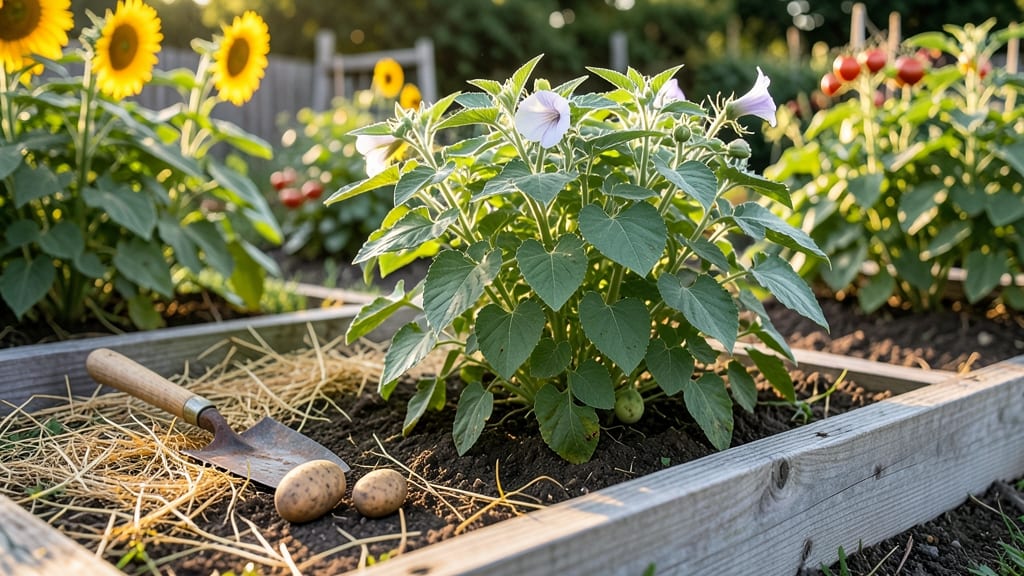
Timing your potato planting in Pennsylvania isn’t just about following a calendar—it’s about outsmarting the 5b-7a zone’s unpredictable frosts and wet springs. 🥔 Plant too soon, and your seed potatoes will rot in cold soil; wait too long, and you’ll miss the 80-120-day window before harvest.
The key? Knowing when the soil warms to 45°F—not just the air temperature.
Most gardeners in Pennsylvania start planting as soon as the ground is workable, typically between early March (with frost protection) and late April. But here’s the catch: Pennsylvania’s last frost date varies wildly—some years it’s April 15, others it lingers into May.
That’s why I’ll show you how to adjust planting dates based on your exact microclimate, whether you’re in Pittsburgh’s cooler 5b zone or the warmer 7a areas near Philadelphia.
Beyond dates, I’ll cover the best potato varieties for PA’s short growing season, how to use row covers to extend your window, and when to fertilize for maximum yield.
You’ll leave this guide knowing exactly when to stick those spuds in the ground—and how to protect them if Mother Nature throws a curveball.
Ready to grow potatoes that thrive, not just survive? Let’s dive into the zone-specific strategies that’ll give you a bumper crop, no matter what Pennsylvania’s spring throws at you.
Pennsylvania planting deadlines by hardiness Zone (5a-7a) and potato variety type
Pennsylvania spans USDA Zones 5a through 7a, creating dramatic differences in frost timing and growing seasons. In Zone 5a (northwest PA), gardeners face 150+ frost-free days, while Zone 7a (southeastern PA) enjoys 200+ days.
This variance means your planting window could shift by 3-4 weeks depending on location.
Potatoes thrive when soil temperatures reach 45°F+—a critical threshold often missed in PA's chilly springs. Using soil thermometers (not air temperature!) ensures you plant when tubers can sprout without rotting. Most PA gardeners aim for 2-4 weeks before last frost, but early varieties can handle cooler soils.
Your last frost date varies wildly: April 15 in Pittsburgh (Zone 6b) but May 1 in Erie (Zone 5b). For precise timing, check Penn State Extension's frost maps or track local weather patterns for 3 consecutive nights above 32°F.
🌱 PRO TIP: Plant early potatoes (60-day varieties) as soon as soil is workable—even if frost lingers. Use row covers for protection if needed. Mid-season (90-day) and late (120-day) varieties need warmer soil and should wait until 2 weeks after last frost.
| Zone | Last Frost Avg. | Early Varieties (60 days) | Mid-Season (90 days) | Late Varieties (120 days) |
|---|---|---|---|---|
| 5a (Erie, Altoona) | May 1 | April 15–May 1 | May 15–May 30 | May 30–June 15 |
| 5b (State College, DuBois) | April 25 | April 1–April 15 | April 20–May 10 | May 10–May 25 |
| 6a (Pittsburgh, Harrisburg) | April 15 | March 25–April 10 | April 10–April 25 | April 25–May 10 |
| 6b (Lancaster, Reading) | April 10 | March 15–March 30 | March 25–April 15 | April 10–April 20 |
| 7a (Philadelphia, Wilmington) | April 5 | March 1–March 15 | March 15–March 30 | March 25–April 5 |
For Zone 5a/5b gardeners, early potatoes like Red Norland or Yukon Gold are your best bet—they mature in 60–90 days, avoiding late-season blights. In Zone 6a/6b, you can stretch to mid-season varieties like Kennebec (100 days) for larger yields.
Southern PA’s Zone 7a allows even late varieties like Russet Burbank (120 days).
Always adjust for soil temperature, not air temperature. A 45°F soil thermometer reading is your green light—even if mornings still dip below freezing. Use black plastic mulch or straw covers to warm soil faster in cooler zones.
PA’s humidity and late frosts demand variety selection based on maturity. Early varieties escape blight, while
How to adjust planting dates for Pennsylvania’s unpredictable weather patterns
Pennsylvania’s spring weather is famously fickle—one day 60°F, the next a 28°F surprise. If you’ve ever watched your potato sprouts freeze overnight or rot from soggy soil, you know timing is everything.
The key? Flexible planting strategies that account for late frosts, flash freezes, and variable soil temperatures across PA’s zones.
Most gardeners rely on the average last frost date (April 15), but that’s a gamble. Instead, use the “wait-to-plant” rule: Don’t plant until soil reaches 45°F at a 4-inch depth—even if the air is warm.
A soil thermometer is your best friend here, especially in Zone 5b where frosts linger into May.
Even after the "official" last frost, Zone 5a-6a can see killing frosts into early May. Use frost blankets or row covers for early plantings. In Zone 7a, push planting to mid-April to avoid summer heat stress on tubers.
For a backup plan, stagger plantings: Start with early varieties (60-day) in late April, then add mid-season (90-day) types two weeks later. This spreads risk if the first batch fails.
Pro tip: Chit your seed potatoes (sprout indoors) 4–6 weeks before planting to jumpstart growth and compensate for cool starts.
If spring stays cold, consider late-winter planting under protection. Use a low tunnel or cold frame to plant as early as February in Zone 6b-7a.
Just cover with clear plastic during the day and remove it at night to prevent overheating. This buys you 2–3 weeks of head start.
Never plant in waterlogged soil—PA’s wet springs are notorious. Amend heavy clay with compost or sand to improve drainage. If your garden stays soggy past May 15, switch to container growing with well-draining mixes. Raised beds also warm up faster, giving you a 2-week earlier planting window.
Track your true last frost date for 3+ years to adjust your schedule. The Penn State Extension offers local frost maps—bookmark theirs for real-time updates. And remember: Potatoes hate heat too. In Zone 7a, plant late varieties by June 1 to avoid tuber stress from summer’s 90°F+ days.