
Plants
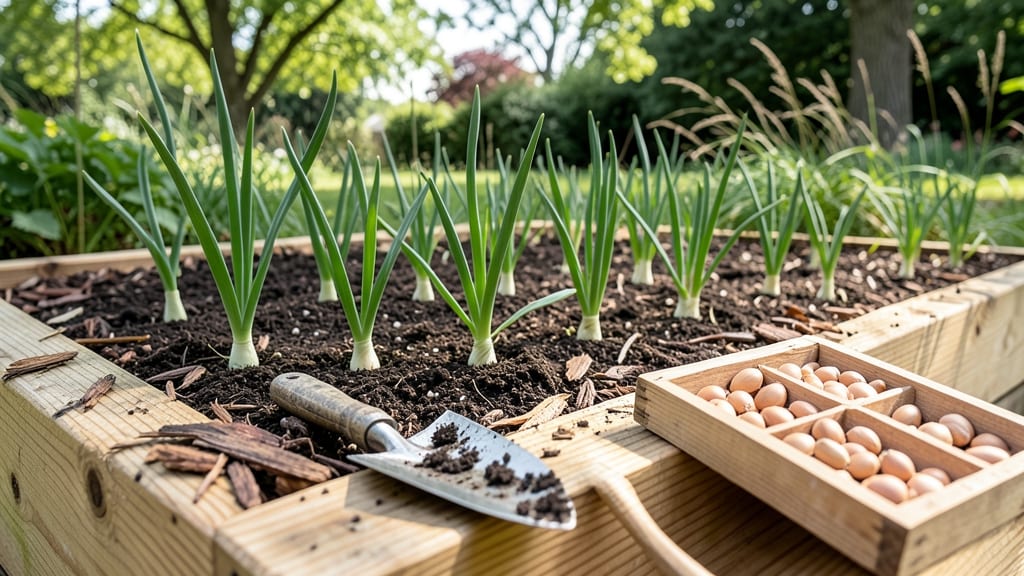
Planting onions in Missouri at the wrong time means sacrificing both bulbs and scallions—yet timing these 🧅 powerhouses can transform your garden from mediocre to abundant.
The key lies in Missouri’s 5b-6b zones, where a 2-week window difference between early March and late April (or August-September for fall) determines whether you’ll enjoy fresh harvests all season long.
Most gardeners assume spring planting is their only option, but Missouri’s climate actually rewards two planting strategies: cool-season starts for early scallions and late-summer sets for bulbs that mature before frost.
I’ll show you exactly how to avoid the #1 mistake Missouri growers make—planting too late for full bulbs or too early for scallions—so you never waste a harvest again.
What you’ll discover here goes beyond dates—it’s about reading your soil’s temperature cues (like 45°F thresholds), adjusting for Missouri’s unpredictable frost patterns, and choosing between sets versus seeds based on your zone.
Whether you’re a first-time gardener or a veteran with 10+ years of experience, these insights will help you plan with confidence.
Ready to stop guessing and start growing? Let’s break down the exact months that work for your part of Missouri, plus pro tips to stretch your harvest from June through November—without a single wasted scallion.
Missouri onion planting calendar by Zone: exact months for bulbs vs scallions
Missouri’s USDA Zones 5-7 create a tricky balance for onion growers—too early, and your scallions bolt before forming bulbs; too late, and you miss the ideal 120-day growth window. The key? Planting 4-6 weeks before your last frost date (typically mid-April in northern Missouri, early April in southern regions).
But here’s the twist: fall planting can give you early scallions, while spring planting maximizes bulb size.
For Zone 5b (northwest Missouri), aim for March 15-April 15 for spring bulbs or August 15-September 15 for fall scallions. In Zone 6b (central/southern Missouri), shift those windows 2 weeks earlier—March 1-April 1 or August 1-September 1.
These adjustments prevent premature bolting from Missouri’s unpredictable spring temperatures.
🌱
| Zone/Variety | Spring Planting Window | Fall Planting Window | Harvest Time | Best For |
|---|---|---|---|---|
| Zone 5b (NW MO) | March 15-April 15 | August 15-September 15 | June-July (bulbs) / Oct-Nov (scallions) | Yellow onions, Texas Early White |
| Zone 6a (Central MO) | March 1-April 1 | August 1-September 1 | May-June (bulbs) / Sept-Oct (scallions) | Red onions, Candy |
| Zone 6b (SW MO) | February 28-March 15 | July 31-August 15 | April-May (bulbs) / Sept-Oct (scallions) | Sweet onions, Texas Early White |
| All Zones (Sets) | April 1-May 1 | August 15-Sept 15 | June-July (bulbs) / Oct-Nov (scallions) | Quick harvest, minimal bolting |
Why these dates? Onions need consistent soil temps above 45°F to germinate. Missouri’s clay-heavy soils can stay cold longer, so warm-season varieties like Texas Early White thrive best in spring. For fall planting, prioritize short-day varieties (like Candy red onions) to prevent bolting before frost.
Missouri’s first frost (mid-October) signals the end of the growing season for most varieties. If you plant in late August, you’ll get scallions by October—perfect for winter storage.
But if you wait until September, bulbs may not mature before frost. The sweet spot? August 15 for most regions.
🌿
Here’s how to adjust for your specific Missouri microclimate: In northern Missouri (Zone 5b), add 1-2 extra weeks to spring planting to account for later frost dates. In southern Missouri (Zone 6b), you can push spring planting to mid-March for earlier harvests.
Always check your local frost dates—the Missouri Climate Center provides updated forecasts annually.
For continuous harvests, stagger plantings: Start with scallion varieties in late August for fall greens, then add bulb varieties in March. This two-phase approach ensures you have fresh onions from June through October—no wasted scallions or shrunken bulbs!
✂️
5 Critical factors that determine your onion planting success in Missouri
Missouri’s clay-heavy soils and variable frost dates demand precision when planting onions. Unlike other veggies, onions thrive best when soil temperatures hit 45°F+—a threshold often missed if you plant too early.
Northern Missouri (Zone 5b) may wait until late March, while southern regions (Zone 6b) can start in early March.
Soil moisture is another game-changer. Onions need consistent dampness but hate soggy conditions. Missouri’s spring rains can make this tricky—plant in raised beds or well-amended soil to prevent rot. A soil test before planting reveals whether your plot needs compost or sand for better drainage.
Here’s the secret: fall-planted onions (for scallions) and spring-planted bulbs require different prep. Fall crops need loose soil to prevent winter heaving, while spring bulbs benefit from aged compost mixed in. Skipping this step? Expect stunted growth or bolting (flowering) before harvest.
- 1. Soil Temperature: Wait until soil reaches 45°F+ (use a thermometer!). Northern MO: late March; Southern MO: early March.
- 2. Moisture Balance: Clay soil? Amend with compost + sand to prevent waterlogging. Aim for 1 inch of water weekly.
- 3. Frost Dates: Plant 4-6 weeks before last frost (mid-April in most of MO). Fall planting? Aim for August-September harvests.
- 4. Sunlight: Onions need 6+ hours of sun daily. Missouri’s south-facing beds get the edge over shaded spots.
- 5. Variety Choice: Short-day onions (like Texas Early White) bolt less in MO’s heat. Long-day types (e.g., Yellow Globe) need cooler springs.
Don’t overlook spacing—crowded onions compete for nutrients and light. In Missouri’s dense soils, space sets 4-6 inches apart; seeds need 1 inch between rows. Thinning too late? You’ll stunt bulb growth. Use a hand trowel to gently remove extras when seedlings hit 2 inches tall.
Pro tip: Mulch with straw after planting to retain moisture and suppress weeds. Missouri’s spring rains can wash away young seedlings if left bare. Just avoid piling mulch against onion necks—this invites rot. A 1-inch layer around (not touching) the base works best.
Finally, watch for onion maggots, a Missouri-specific pest. Rotate crops yearly and use row covers in early spring to deter them. With these factors nailed, your onions will go from scallions to bulbs without a hitch—no wasted effort! 🌱