
Companion Plants
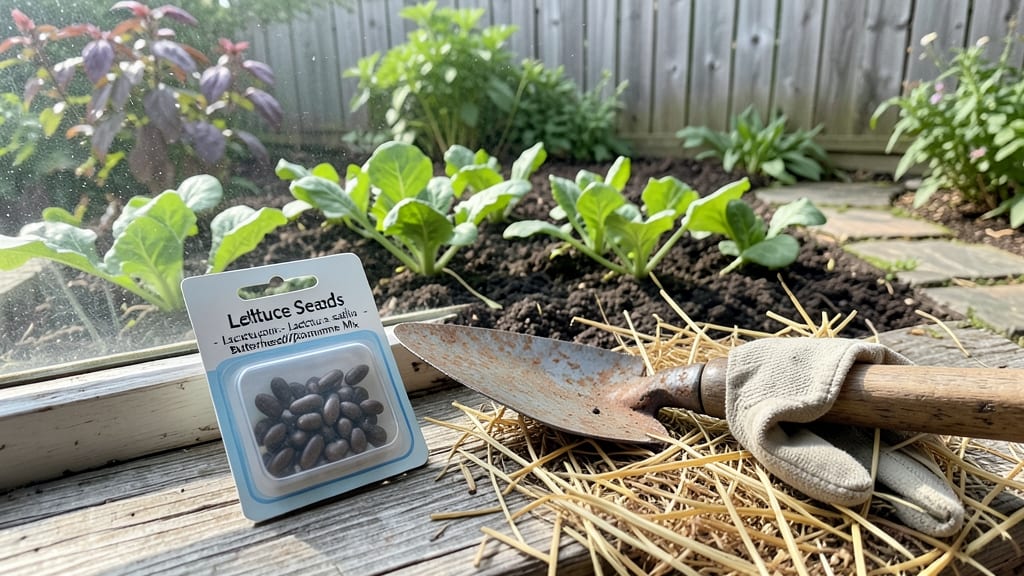
If you're wondering when can I plant lettuce in Zone 6, the answer isn't just about timing—it's about beating the heat and frost with smart scheduling. Lettuce 🥬 thrives in cooler weather, so planting too early risks frost damage while waiting too late means bolting before you can harvest.
Most Zone 6 gardeners get two prime chances: early spring (as soon as soil is workable) and late summer for fall crops. The key is starting seeds indoors 4-6 weeks before your last frost date to give seedlings a head start.
This way, you avoid the bitter taste that comes when lettuce roasts under summer sun.
But here's the game-changer: certain cold-hardy varieties like 'Winter Density' or 'Arctic King' can handle light frosts, extending your harvest window. I'll show you exactly which ones to pick and how to protect tender leaves from unexpected freezes.
Ready to grow crisp, homegrown lettuce all season long? Let's break down the perfect planting calendar and pro tips to keep your crop thriving from spring through fall—no more wasted seeds or sad, bolting plants.
Best planting windows for lettuce in Zone 6: early spring & fall success
In Zone 6, your lettuce planting schedule hinges on avoiding late spring heat and early fall frosts. The ideal windows are early spring (as soon as soil is workable) and late summer/fall (6-8 weeks before first frost).
This two-season approach ensures you skip the bolting trigger of summer's 80°F+ days.
For spring planting, aim for March to April when daytime temps consistently stay above 40°F. Use a cold frame in late winter to start seeds 4-6 weeks before last frost (typically mid-April).
For fall planting, sow seeds in August to early September to harvest before winter sets in.
Here’s the key: Soil temperature matters more than air temperature. Lettuce thrives in soil between 45°F and 75°F. If your soil stays below 40°F, growth stalls—even if air temps warm up. Use a soil thermometer to confirm readiness before planting.
Pro tip: Succession planting every 2 weeks in spring and fall keeps your harvest continuous. For example, plant one batch in early April, another in mid-April, and a final batch in early September. This staggered approach ensures you’re always harvesting fresh leaves.
Now, let’s break down the exact planting windows with frost dates and soil conditions you’ll need to watch for in Zone 6:
| Planting Window | Zone 6 Frost Dates | Soil Temp Threshold | Action |
|---|---|---|---|
| Late Winter (Cold Frame) | Before last frost (mid-April) | 40°F+ (use cold frame) | Start seeds indoors or under cold frame |
| Early Spring | After last frost (April) | 45°F–75°F | Direct sow outdoors |
| Mid-Spring (Succession) | April–May | 50°F+ | Sow every 2 weeks |
| Late Summer | 6–8 weeks before first frost (early Sept) | 60°F–70°F | Direct sow for fall harvest |
| Fall (Succession) | September–October | 50°F+ | Sow every 3 weeks |
One common mistake is planting lettuce too early in late winter without protection. If you’re eager to start, use a cold frame or row cover to shield seedlings from 28°F+ frosts. Without protection, seedlings may survive 32°F but will grow slowly and risk damage.
For fall planting, focus on varieties that mature in 50–60 days. This ensures you harvest before first frost (typically mid-October to November in Zone 6). If you push it too late, your lettuce may bolt or develop bitter flavors from cold stress.
Remember: Shade cloth (30–50%) can help extend summer planting into June or July if your area gets intense afternoon sun. This trick buys you 2–3 extra weeks of harvestable lettuce before bolting sets in.
Finally, always test your soil before planting. Lettuce prefers pH 6.0–7.0 and well-draining soil. Amend heavy clay with compost to improve aeration, and avoid planting in soil that stays waterlogged—root rot is a silent killer for leafy greens.
Best planting windows for lettuce in Zone 6: early spring & fall success
In Zone 6, the key to growing lettuce lies in timing—avoid the frost of late winter and the heat of summer. I’ve learned that planting in early spring (as soon as soil thaws) and late summer (for fall harvests) gives the best results.
The last frost date in Zone 6 typically falls between April 15-30, so I start seeds indoors 4-6 weeks before that to ensure seedlings are ready.
For fall lettuce, I aim to plant seeds 8-10 weeks before the first frost (usually August 15-September 1). This timing lets lettuce mature before winter sets in. I also use shade cloth in late summer to protect seedlings from intense Zone 6 heat, which can cause bolting.
The goal is to keep soil temperatures between 60-70°F for optimal growth.
Cold frames and row covers are my secret weapons for extending the season. I’ve planted lettuce as early as March 1 under a cold frame, with success—just monitor for frost damage and remove covers on warm days. For succession planting, I sow new seeds every 2-3 weeks from spring through early summer to ensure a continuous harvest.
| Planting Window | Zone 6 Dates | Soil Temp | Key Tip |
|---|---|---|---|
| Early Spring | March 1 - April 15 | 45-55°F | Use cold frames for frost protection |
| Late Summer | August 15 - September 1 | 60-70°F | Apply shade cloth to prevent bolting |
| Fall Succession | Every 2-3 weeks until October | 50-60°F | Harvest before first hard frost |
One common mistake I see is planting lettuce too late in spring when soil temperatures rise above 75°F. At that point, lettuce bolts (sends up a flower stalk) and becomes bitter. To avoid this, I always test soil temperature with a soil thermometer before planting.
If it’s too warm, I opt for shade-tolerant varieties like Romaine or Buttercrunch, which handle heat slightly better.
For container gardening, I’ve had great luck with small pots placed on patios or balconies. Just ensure containers have drainage holes and use a lightweight potting mix. I plant seeds 1/4 inch deep and keep them moist until germination, which usually takes 7-14 days depending on the variety.
Containers warm up faster than garden beds, so I move them to shadier spots in peak afternoon sun during summer.
Finally, don’t forget to rotate crops to prevent soil-borne diseases. I avoid planting lettuce in the same spot year after year. Instead, I follow it with beans or carrots, which help break disease cycles.
With the right timing and a little patience, you can enjoy fresh lettuce from spring through fall in Zone 6! 🥬