
How To
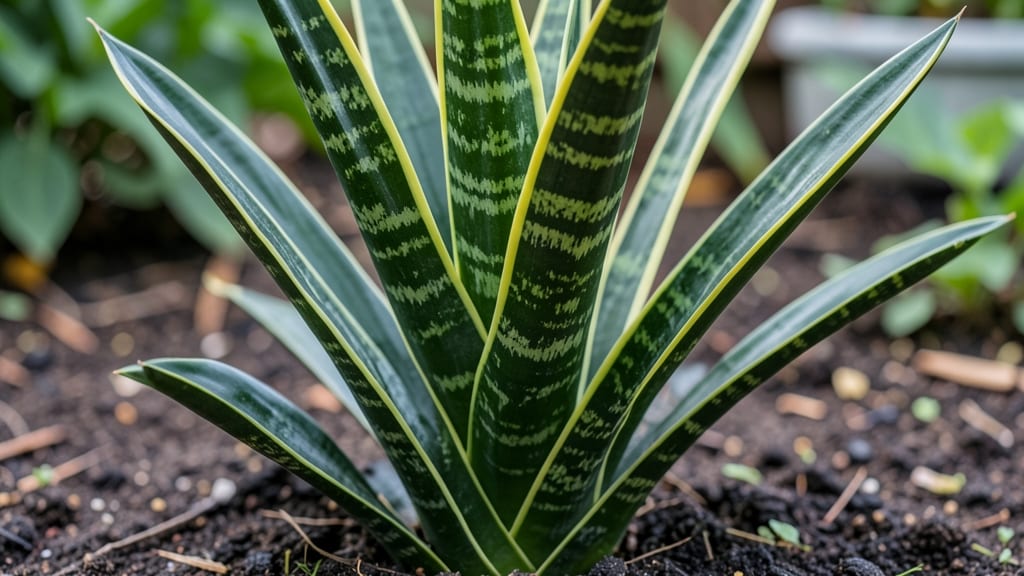
Curious about how tall your snake plant can grow? The answer depends more on its variety than you might think—some stay compact enough for countertops, while others stretch toward the sky like architectural statements.
With heights ranging from 1 foot to over 4 feet, these resilient plants adapt to their environment, making size planning a key part of their care.
If you’ve ever measured your plant and wondered, "Will this keep growing?"—you’re not alone. The growth stages of a snake plant can feel mysterious, especially when light, pot size, and even the specific cultivar play such a big role.
Whether you’re nurturing a ‘Laurentii’ or a rare ‘Futura Superba’, knowing these details helps you set realistic expectations and avoid surprises.
In this guide, I’ll break down exactly how tall snake plants grow by variety, including the factors that speed up or slow down their ascent. You’ll also discover practical tips to manage their height—because sometimes, the best way to control a snake plant’s growth is to understand it first.
Ready to turn your green thumb into a growth expert? Let’s dive into the numbers and secrets behind these striking, low-maintenance plants.


Snake plant height by variety: exact growth ranges and mature sizes
Snake plants (Sansevieria trifasciata) are famous for their adaptability, but their height varies dramatically depending on the variety. Some stay compact enough for bookshelves or countertops, while others can reach floor-level giants in ideal conditions.
Understanding these differences helps you choose the perfect plant for your space—whether you want a low-maintenance desk companion or a statement piece for your living room.
The most common varieties, like 'Laurentii' and 'Hahnii', top out at 2–3 feet, making them ideal for indoor spaces. Meanwhile, rarer types like 'Futura Superba' or 'Black Gold' can stretch toward 4 feet or taller if given ample light and room to grow.
Let’s break down the exact mature heights and growth habits of the most popular snake plant varieties so you can plan accordingly.
📌 Pro Tip: Height measurements assume ideal indoor conditions (bright indirect light, well-draining soil, and proper pot size). Outdoor plants may grow 10–20% taller due to increased sunlight and space.
If you’re eyeing a 'Hahnii' for your desk, expect it to stay under 1.5 feet tall for years—its slow growth is part of its charm. On the other hand, 'Futura Superba' or 'cylindrica' can become floor-fillers in just 3–5 years, especially outdoors.
Always check the root ball size when buying; larger roots mean faster vertical growth.
Outdoor snake plants often outgrow their indoor counterparts by 20–50% due to unobstructed sunlight and larger root systems. For example, a 'Laurentii' indoors might hit 3 feet, but outdoors, it could reach 4–5 feet with proper spacing.
This is why 'cylindrica' is rarely kept indoors—it’s a sun-worshipper that thrives in USDA Zones 9–11.
💡 Key Insight: The pot size directly impacts height. A root-bound snake plant will grow taller and thinner to escape its container, while a spacious pot encourages bushier, wider growth. If you want a compact plant, repot into a slightly larger container every 2–3 years.
For rare or hybrid varieties, like 'Golden Hahnii' or 'Mandaian', height data is often anecdotal. Always ask the nursery for mature size estimates—some sellers underestimate growth potential. If you’re unsure, start with a smaller variety like 'Hahnii' to test your space before committing to a tall-growing type.
Finally, remember that height isn’t the only factor. Leaf width, color intensity, and growth speed also vary. For instance, 'Black Gold' stays shorter but develops darker, richer foliage than 'Laurentii', which grows taller but with lighter variegation. Balance your <
How fast do snake plants grow? Stages, speed, and factors affecting height
Snake plants don’t grow overnight—they’re more like the tortoises of the houseplant world, moving steadily but predictably. On average, they add 1–12 inches per year, depending on their variety, care, and environment.
Some dwarf types like ‘Hahnii’ might only gain 2–3 inches annually, while larger varieties like ‘Futura Superba’ can stretch 8–12 inches in optimal conditions.
Growth isn’t linear, though. Snake plants follow distinct stages: juvenile (slow, focused on root establishment), mature (steady height gain), and flowering (if mature enough). Most homeowners see the most dramatic changes in their plant’s first 2–3 years, after which growth slows to maintenance mode.
Light is the #1 factor controlling speed. A snake plant in bright indirect light will grow 2–3x faster than one tucked in a dim corner.
Direct sun can scorch leaves, but 12–16 hours of filtered light per day (like near an east-facing window) is ideal for maximizing height gains without stress.
🌱 Key Growth Factors at a Glance
- Light: Bright indirect = 3x faster growth vs. low light
- Pot size: Root-bound plants grow taller, not bushier
- Water: Overwatering = stunted growth; underwatering = slower growth
- Temperature: Ideal 65–85°F; below 50°F = dormancy
- Fertilizer: Balanced feed = 10% height boost in growing season
Pot size plays a sneaky role too. If your snake plant is root-bound (circling roots visible at the soil surface), it’ll divert energy upward, causing spikes in vertical growth—sometimes up to 6 inches in a single season.
But this isn’t healthy long-term; repotting into a 1–2 inch larger container every 2–3 years keeps growth balanced.
Myth-busting time: Snake plants don’t grow faster in winter. In fact, they often enter dormancy, halting height gains entirely. If your plant seems stagnant in cooler months, it’s not a problem—just natural slowdown. Resume growth in spring when temperatures rise above 60°F and daylight increases.
Outdoor snake plants (in USDA Zones 9–11) can grow 10–20% taller than indoor counterparts due to uninterrupted light cycles and natural seasonal changes. However, they’re still slow growers—expect 3–5 feet in 5 years for larger varieties like ‘Moonshine’ or ‘Golden Hahnii’.
Pro tip: Track your plant’s growth with a monthly height log. Use a ruler or measuring tape to record changes—you’ll spot trends (like sudden spikes after repotting) and adjust care accordingly.
Patience pays off: a well-cared-for snake plant can live decades**, slowly becoming a living heirloom in your space. 🪴