
Watering
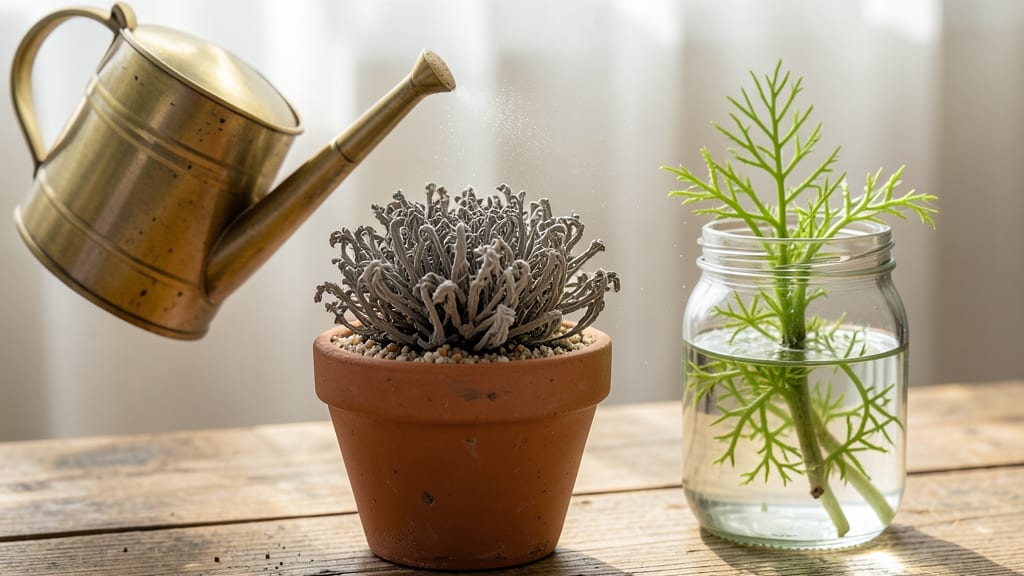
If you’ve ever wondered how much water a resurrection plant 🌵 can handle before it springs back to life, the answer might surprise you. This remarkable plant thrives on drought, and mastering its watering schedule is the key to witnessing its incredible revival process.
The resurrection plant’s survival trick lies in its ability to dry out completely and then bounce back when watered again. Unlike most plants, it doesn’t need frequent hydration—just the right balance to trigger its natural cycle.
Too much water, and you’ll smother its resilience; too little, and it won’t have the energy to revive.
In this guide, I’ll break down the exact watering routine that keeps your resurrection plant happy and ready to make a comeback. You’ll learn how long to let it dry out, when to reintroduce moisture, and what signs to watch for to keep it thriving year after year.
Whether you’re a seasoned gardener or just starting with drought-resistant plants, these tips will help you nurture a resurrection plant that stays vibrant and full of life—no matter how dry your conditions get.
The perfect resurrection plant drought cycle: how much water to trigger revival
The resurrection plant (Selaginella spp.) thrives on a carefully balanced drought-revival cycle that mimics its natural desert habitat. Unlike most plants, it requires dry periods to trigger its miraculous revival process.
Think of it like a moisture-powered reset button—too much water keeps it dormant, while just the right amount brings it back to life.
In the wild, these plants experience weeks without rain followed by brief, heavy downpours. Replicating this at home means watering sparingly—typically every 3-4 weeks—then giving it a deep soak to revive.
The key is patience: your plant won’t thank you for daily watering, but it will reward you for trusting its drought tolerance.
Here’s the science behind it: resurrection plants store moisture in their succulent leaves and enter a dormant state when dry. This isn’t wilting—it’s survival mode! When you reintroduce water, their chlorophyll production kicks back in within hours, turning them from brown husks to vibrant green within days.
It’s nature’s ultimate drought survival hack.
| Cycle Stage | Watering Schedule | Soil Moisture | Plant State |
|---|---|---|---|
| Dormancy Phase | Every 4-6 weeks (spring/fall) or 6-8 weeks (summer/winter) | Completely dry | Brown, brittle husk |
| Revival Trigger | Deep soak (50-100ml) until water runs out drainage holes | Saturated for 24 hours | Green within 24-48 hours |
| Active Growth | Light misting every 2-3 weeks (keep soil slightly moist) | Top 1 inch dry between waterings | Lush green foliage |
| Dormancy Return | Withhold water for 6+ weeks until leaves crisp | Bone dry | Prepares for next revival |
For container-grown resurrection plants, use a well-draining cactus mix with added perlite or pumice to prevent soggy soil. The drainage holes are non-negotiable—these plants hate wet feet. Pro tip: I always water mine in the morning to let excess moisture evaporate before nightfall, reducing the risk of fungal issues.
Seasonal adjustments are crucial. During summer’s peak heat, stretch your drought cycle to 6-8 weeks between waterings. In winter’s cooler months, you can reduce it to every 8-10 weeks since growth slows dramatically. Think of your plant as a desert camper—it’s built for survival, not comfort.
One common misconception is that resurrection plants need constant moisture to stay green. The truth? They’ll survive months without water and revive just as spectacularly. My personal record? A 12-week dry spell followed by a single watering that brought it back to life in 36 hours.
That’s the magic of Selaginella—it’s not just a plant; it’s a living drought indicator.
To test if your plant is ready for revival, gently press a leaf. If it snaps dry, it’s time to water. If it feels slightly pliable, wait another week.
This tactile check is more reliable than guessing soil moisture. And remember: the longer the dormancy, the more dramatic the revival will be.
For those keeping resurrection plants indoors, place them near a south-facing window or under grow lights for 6+ hours daily. Without sufficient light, they won’t have the energy to revive properly.
I’ve seen plants fail to wake up because they were tucked away in shady corners—light is just as critical as water (or lack thereof).
🌵
The perfect resurrection plant drought cycle: how much water to trigger revival
The resurrection plant (Selaginella spp.) thrives on a strict drought cycle—mimicking its wild African savanna habitat. Unlike typical houseplants, it needs dry spells to trigger its revival process. In nature, these plants survive months without rain, then burst back to life with just a light soaking.
For container-grown plants, this means 4-6 weeks of drought followed by a brief hydration period.
Your watering schedule should mirror this rhythm: water every 4-6 weeks during summer dormancy, then reduce to every 6-8 weeks in winter. The key is soil dryness—stick your finger 2 inches deep; if completely dry, it’s time to water.
Overwatering is the #1 killer, as soggy soil suffocates roots and prevents revival.
🌵 Resurrection Plant Watering Comparison
| Cycle Phase | Watering Frequency | Soil Moisture Goal | Signs of Success |
|---|---|---|---|
| Drought Phase | Every 4-6 weeks | Completely dry | Plant turns brown/brittle |
| Revival Phase | Once (light soak) | Moist but not soggy | Green within 24-48 hours |
| Growth Phase | Every 3-4 weeks | Top 1" dry | Vibrant green foliage |
For container gardening, use a terracotta pot with drainage holes to prevent root rot. The plant’s revival speed depends on soil type: cactus mix drains fastest, while peat-heavy mixes hold moisture too long.
I’ve found 50% perlite and 50% potting soil works best—it replicates sandy savanna soil while allowing roots to breathe.
Seasonal adjustments are critical. In summer heat (June-August), extend drought periods to 6-8 weeks—the plant’s natural dormancy kicks in. Conversely, during spring revival (March-April), water every 3-4 weeks to support regrowth. Pro tip: Place your plant near a south-facing window to maximize sunlight, which speeds up the revival process.
When reviving a dried-out plant, don’t soak it. Instead, place the pot in 1 inch of water for 10-15 minutes, then drain excess. This mimics brief desert rains and prevents root damage. Most resurrection plants revive within 24-48 hours, turning from brown to vibrant green.
If it stays dormant after 48 hours, it may be permanently damaged—but don’t lose hope! These plants can survive years of neglect and still bounce back.
Remember: patience is key. Your resurrection plant isn’t just surviving—it’s thriving on challenge. By mastering this drought cycle, you’ll unlock its full potential, watching it transform from a brittle husk to a lush green marvel time and time again. 🌱