
How To
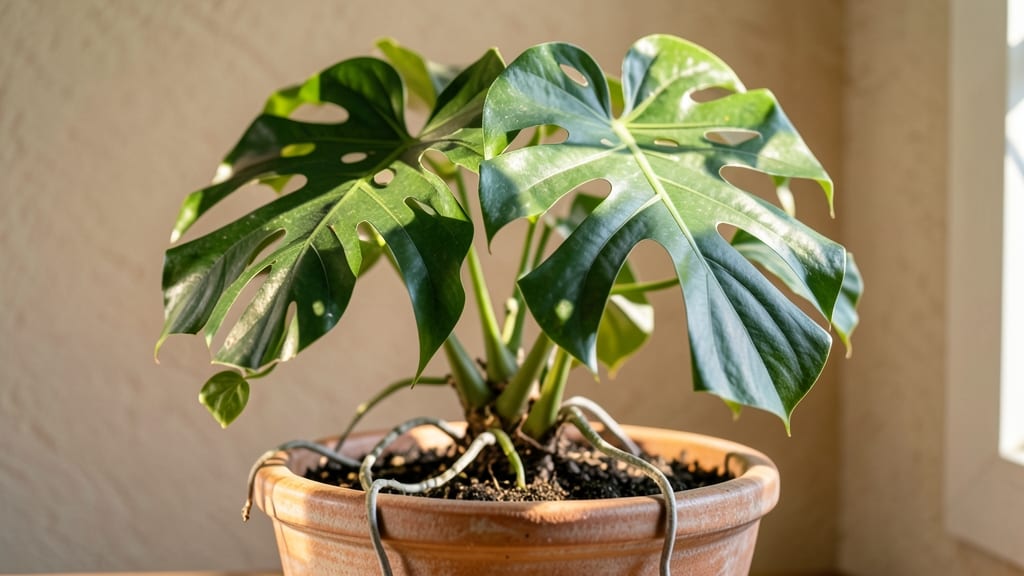
The key to your monstera plant’s stunning leaf splits and lush growth isn’t just water or soil—it’s how much light it gets. Too little, and those iconic fenestrations (the splits!) will barely appear.
Too much, and your plant’s leaves will crisp like overcooked bacon. Finding that perfect balance is easier than you think, and I’ll show you exactly where to place your 🌿 Monstera for maximum happiness.
Most people assume Monsteras thrive in any bright spot, but the truth is more nuanced. Your plant craves bright, indirect light—think of it like a tropical rainforest floor, where sunlight filters through the canopy.
That means no harsh midday sun, especially if you’re in USDA Zone 6a, where spring sunlight can be intense. The right placement can make the difference between a slow-growing vine and a thriving, split-leafed beauty.
Here’s what you’ll discover: how to spot the ideal window (hint: east-facing is your best bet), what happens when your Monstera gets too much or too little light, and even how to fix common issues like yellowing leaves or leggy growth.
Whether you’re a beginner or a plant parent looking to refine your skills, these tips will keep your Monstera looking its best year-round.
Ready to transform your plant’s growth? Let’s dive into the sunlight rules that’ll have your Monstera reaching for the sky—literally. With just a few simple adjustments, you’ll be on your way to those dreamy, dramatic leaves in no time.
Monstera light requirements: ideal sunlight for leaf splits & growth
Your Monstera deliciosa thrives on bright indirect light, mimicking its natural understory habitat. Without the right light, those iconic fenestrations (leaf splits) won’t develop, and growth slows dramatically. The key is finding that sweet spot between too little and too much sunlight—where leaves stay lush and vibrant.
In nature, Monsteras grow under dappled sunlight in tropical forests, receiving about 30-50% sunlight intensity. Recreating this indoors means positioning your plant near a window but avoiding harsh direct rays, especially during peak afternoon sun.
A north-facing window is often ideal in northern hemispheres, while east-facing windows provide gentler morning light.
Here’s the light intensity scale for Monsteras: Low light (under 10,000 lux) causes slow growth and small leaves, while direct sun (over 30,000 lux) risks scorching. The perfect range is 15,000–25,000 lux of filtered light—think of it as standing under a sheer curtain near a window.
| Light Type | Intensity (Lux) | Best For | Window Placement |
|---|---|---|---|
| Bright Indirect | 15,000–25,000 | Ideal growth, fenestrations | East/west window, 2–3 ft away |
| Low Light | Under 10,000 | Survival only | North window, deep room |
| Direct Sun | Over 30,000 | Leaf burn risk | South window, no filter |
Seasonal changes affect your Monstera’s light needs. In winter, when sunlight is weaker, move your plant closer to the window (within 1–2 feet) to compensate. Conversely, in summer, use a sheer curtain to diffuse intense afternoon rays, especially if your plant is near a south-facing window.
Rotate the pot quarter-turns weekly to ensure even growth and prevent lopsided vines.
If your home lacks natural light, rotate your Monstera every 2–3 weeks so all sides receive equal exposure. This prevents the plant from leaning toward the light source, which can lead to weak stems.
A 360-degree rotation ensures balanced growth and maximizes the development of those prized fenestrations—a sure sign your plant is thriving.
For outdoor Monsteras in warmer climates (USDA zones 10–12), provide morning sun and afternoon shade. Avoid placing them in full sun, which can cause leaf scorch—look for crispy brown edges as a warning sign.
Instead, opt for a dappled shade spot under a tree or on a covered patio.
Pro tip: Test your light conditions with a lux meter (available online for ~$20) or use the shadow test. Hold your hand near the plant—if the shadow is sharp, the light is too direct. If it’s fuzzy, you’ve got the perfect bright indirect light setup.
Remember, Monsteras are forgiving plants, but they won’t reward you with their signature splits if light conditions are off. Start with bright indirect light, monitor leaf health, and adjust as needed.
With the right light, your Monstera will grow 3–5 feet per year and develop those stunning fenestrations you’ve been dreaming of. 🌿
Monstera light requirements: ideal sunlight for leaf splits & growth
Monsteras thrive in bright indirect light, mimicking their natural understory habitat. Too little light stunts growth, while too much causes leaf burn. The key is finding that goldilocks zone—bright enough for vibrant leaves but never scorching.
Think of your Monstera’s ideal spot as morning sun with afternoon shade. East-facing windows provide perfect gentle morning light, while north-facing windows offer consistent diffused light all day. South or west windows can work but require sheer curtains to filter harsh rays.
| Light Condition | Window Type | Distance from Window | Growth Effect |
|---|---|---|---|
| Bright Indirect | East/North | 2-3 feet | Optimal: Large leaves, fenestrations |
| Low Light | North (deep shade) | 5+ feet | Slow growth, small leaves |
| Direct Sun | South/West | 1-2 feet | Leaf scorch, yellowing |
Seasonal adjustments matter too. In summer months, your Monstera may need extra shade from 12-4 PM when sun is strongest. Rotate the pot quarter-turns weekly to ensure even light exposure—this prevents lopsided growth toward the light source.
If your home lacks natural light, aim for 10-12 hours of artificial light daily using full-spectrum LED grow lights. Position lights 6-12 inches above the plant and keep them on a 14-hour day/10-hour night cycle to mimic natural daylight patterns.
Pro tip: Watch for new growth patterns. Healthy Monsteras develop fenestrations (leaf splits) when they’re getting just the right amount of light. Without them? It’s time to adjust your plant’s position or lighting setup.
For outdoor Monsteras, transition gradually from indoor to outdoor light over 1-2 weeks to avoid light shock. Start with 2-3 hours of morning sun, then increase exposure as the plant acclimates.