
How To
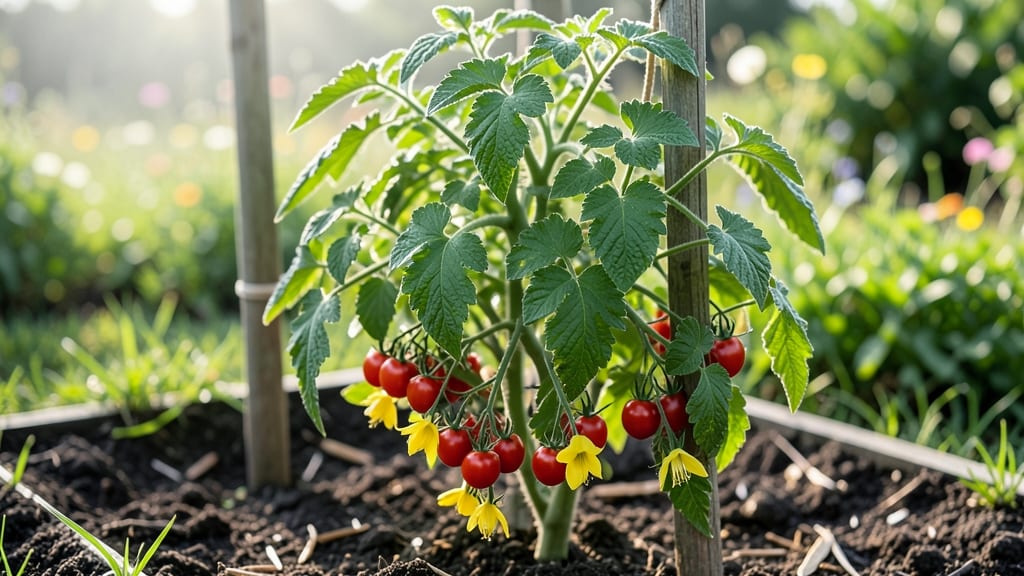
If you’ve ever wondered how tall does a cherry tomato plant grow, the answer might surprise you—especially when space is limited. These vibrant 🍅 plants can range from compact 1-foot bushes to towering 6-foot vines, depending on the variety you choose.
For small gardens or containers, dwarf varieties stay neatly under 3 feet, making them perfect for balconies or windowsills. But if you’re growing larger types, expect them to climb like a jungle vine, needing sturdy support to reach their full height.
Whether you’re working with a tiny patio or a spacious backyard, understanding these growth habits is key to maximizing your harvest. I’ll break down the differences between varieties, space-saving tricks, and how to keep your plants thriving—no matter how much (or little) room you have.
Ready to turn your gardening dreams into reality? Let’s dive into the best ways to manage cherry tomato height and get the most out of your plants—without sacrificing space or yield.


Cherry tomato plant height by variety: compact vs. vining types
When planning your cherry tomato garden, one of the first questions is: how tall does a cherry tomato plant grow? The answer depends entirely on the variety you choose, as some stay as short as 6 inches, while others can reach 8 feet or more with proper support.
Understanding these differences helps you maximize space and yield, whether you're working with a balcony container or a backyard plot.
Cherry tomatoes are broadly categorized into three growth types: determinate (bush), indeterminate (vining), and semi-determinate varieties. Each has distinct height characteristics that influence how you'll care for them.
For example, determinate varieties grow to a fixed height and produce fruit all at once, making them ideal for small spaces or container gardening.
Let's compare the height ranges and growth habits of these types to help you choose the best fit for your garden. This comparison will cover mature height, growth habit, and space requirements, so you can make an informed decision before planting.
If you're growing in containers or small spaces, determinate varieties are your best bet. They stay under 4 feet tall and produce fruit in clusters, making them perfect for balcony gardens or window boxes.
Varieties like 'Tiny Tim' or 'Patio Princess' are designed specifically for this purpose, reaching only 12–18 inches at maturity.
On the other hand, indeterminate varieties are the giants of the cherry tomato world. Without support, they can sprawl 6–10 feet, but with a sturdy trellis or cage, you can guide their growth vertically.
This not only saves space but also improves air circulation, reducing the risk of disease. Popular indeterminate types like 'Sweet Million' or 'Sun Gold' thrive when given room to climb.
For a middle-ground option, consider semi-determinate varieties. These plants start as bushy but eventually produce vines, reaching 4–6 feet tall. They’re great for raised beds or small gardens where you want a balance between height and spread.
Varieties like 'Balcony Red' or 'Micro Tom' are excellent choices if you're working with limited space but still want a longer harvest season.
When choosing your cherry tomatoes, also consider your climate and growing conditions. In cooler regions, taller indeterminate varieties may need extra protection, while bushier types can handle frost better. If you're in a hot, dry climate, prioritize varieties with good heat tolerance, regardless of height.
Always check seed packets or plant tags for specific height ranges and care tips tailored to your variety.
One common mistake is assuming all cherry tomatoes are low-maintenance because of their small fruit size. Even compact varieties need proper pruning and support to stay healthy and productive.
For example, removing suckers (the shoots that grow between the stem and branches) can help control height and improve airflow, especially in taller varieties.
Finally, think about your harvest goals. Determinate varieties produce fruit all at once, which is great for canning or preserving. Indeterminate types, however, offer a continuous harvest throughout the growing season, ideal for fresh eating.
Plan your garden layout around these differences to ensure you’re happy with your yield and timing.
Now that you understand the height variations, you’re ready to pick the perfect cherry tomato for your space. Whether you're aiming for a tiny balcony garden or a large backyard plot, there’s a variety that will thrive in your conditions and fit your needs.
Cherry tomato plant height by variety: compact vs. vining types
Cherry tomatoes come in a stunning variety of sizes and growth habits, making them perfect for both sprawling gardens and tiny balconies.
The height of your cherry tomato plant depends entirely on its variety type, with some staying as short as 6 inches while others can reach 10 feet or more with proper support. Understanding these differences helps you choose the right plants for your space and maximize your harvest.
Most cherry tomatoes fall into three main categories: determinate (bush types), indeterminate (vining types), and semi-determinate (a mix of both). Determinate varieties are the smallest, often staying under 3 feet, while indeterminate types can grow indefinitely until frost.
Semi-determinate plants offer a middle ground, typically reaching 4-6 feet tall. Let's break down the specifics so you can pick the perfect fit for your garden.
| Variety Type | Height Range | Growth Habit | Best For |
|---|---|---|---|
| Determinate (Bush) | 6–24 inches | Compact, rounded | Containers, small spaces |
| Semi-Determinate | 3–5 feet | Medium vining, bushy | Balconies, small gardens |
| Indeterminate (Vining) | 6+ feet (unlimited) | Tall, sprawling | Trellises, large gardens |
| Dwarf Varieties | 12–18 inches | Ultra-compact | Windowsills, tiny pots |
If you're working with limited space, look for dwarf varieties like 'Tiny Tim' or 'Balcony Red,' which thrive in 5-gallon containers and rarely exceed 18 inches. These are perfect for balconies or even sunny windowsills.
For larger gardens, indeterminate types like 'Sweet Million' or 'Sungold' will reward you with continuous harvests all season long, but they’ll need trellises or cages to keep them contained.
One common misconception is that taller plants always produce more fruit. While indeterminate varieties can yield hundreds of cherry tomatoes in a season, they require more maintenance and support. Determinate plants, on the other hand, produce fruit all at once but are far easier to manage in small spaces.
The key is matching your variety choice to your garden layout and care capacity.
Proper pruning and training can also influence height. Even indeterminate plants can be kept under 6 feet with regular pruning, while determinate types might grow slightly taller if given extra nutrients.
Always check the seed packet or plant tag for specific height expectations, as these can vary even within the same category. For example, 'Patio Princess' is a semi-determinate variety that tops out around 3 feet, while 'Black Cherry' can easily reach 8 feet without support.
For urban gardeners or those with container limitations, consider bush varieties like 'Micro Tom' or 'Tumbling Tom,' which are bred specifically for small-space growing. These varieties often produce smaller but prolific yields, making them ideal for hanging baskets or window boxes.
Remember, the right variety for your space isn’t just about height—it’s also about yield density and ease of care.