
Plants
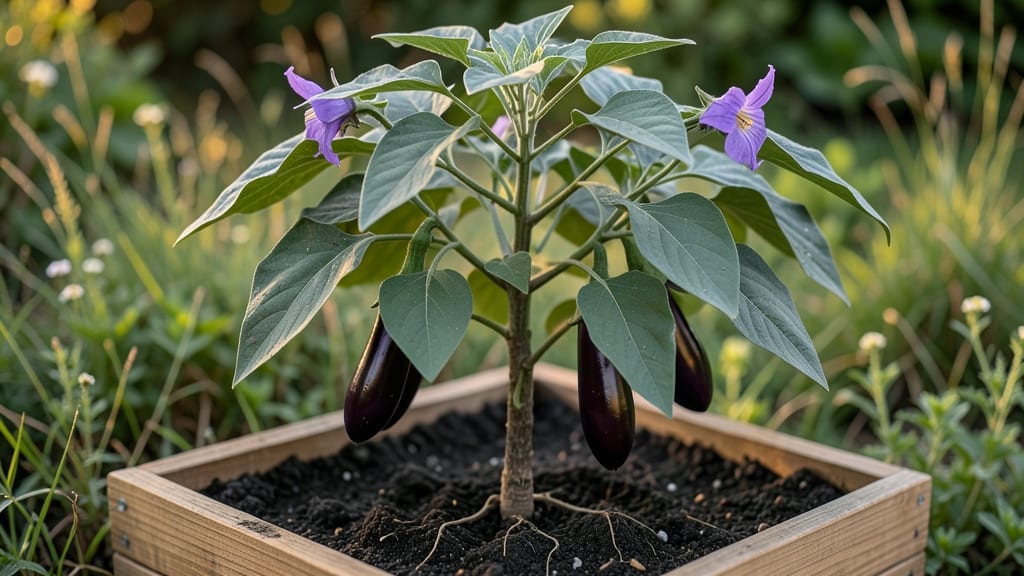
Eggplant height by variety: compact vs towering growth habits
Eggplants are surprisingly versatile in size, ranging from dwarf varieties that barely top 1 foot to towering giants reaching 5 feet. Your choice of variety directly impacts how much space you’ll need and how you’ll manage the plant.
Some varieties even grow vertically like vines, while others spread out like bushes. Let’s break down the height spectrum so you can pick the perfect fit for your garden.
Most home gardeners grow standard varieties like 'Black Beauty', which typically reach 3 to 4 feet tall and produce large, glossy fruits. These are ideal for in-ground planting with 18 to 24 inches of spacing between plants.
However, if you’re working with limited space—like a balcony or small backyard—compact or dwarf varieties can save the day with heights under 2 feet.
Here’s the key: height correlates with yield potential. Taller varieties often produce more fruit but require sturdy support or trellising to prevent toppling. Dwarf varieties, while smaller, may produce fewer fruits but are perfect for containers or raised beds.
Understanding these differences helps you maximize your harvest without sacrificing space or stability.
🌱
| Variety | Mature Height | Spacing Needs | Best For |
|---|---|---|---|
| Dwarf Varieties (e.g., 'Fairy Tale', 'Patio Baby') | 1–2 ft | 12–18 inches apart | Containers, small spaces, balconies |
| Semi-Dwarf Varieties (e.g., 'Ichiban', 'Rosa Bianca') | 2–3 ft | 18–24 inches apart | Raised beds, small gardens |
| Standard Varieties (e.g., 'Black Beauty', 'Classic') | 3–4 ft | 24–36 inches apart | In-ground gardens, larger spaces |
| Tall/Indeterminate Varieties (e.g., 'Long Purple', 'Rosa Bianca Long') | 4–5 ft+ | 36+ inches apart (or trellis) | Vertical gardens, large plots |
For example, the 'Fairy Tale' eggplant stays under 2 feet tall, making it perfect for 5-gallon containers on a patio. Meanwhile, the 'Black Beauty' variety can reach 4 feet tall and benefits from staking or cages to support its weight.
If you’re growing in USDA Zone 6a or warmer, taller varieties thrive with full sun exposure (6+ hours daily) and well-draining soil rich in organic matter.
Another factor to consider is fruit size and yield. Taller plants often produce larger individual eggplants but may require more frequent harvesting to encourage new growth. Dwarf varieties, while smaller, can produce earlier and more consistently in controlled environments like containers.
This makes them ideal for urban gardeners or those with limited growing seasons.
If you’re new to growing eggplants, start with a semi-dwarf variety like 'Ichiban'. It strikes a balance between manageable height (2–3 feet) and high yield, giving you confidence before tackling taller varieties. Plus, its white fruits add a unique twist to your garden harvests!
Pro tip: Check seed packets or plant tags for height ranges—some varieties can vary slightly based on growing conditions. For instance, eggplants grown in containers may stay shorter due to root restriction, while those in loose, fertile soil can grow taller and bushier.
🌿
Finally, don’t overlook pruning habits when selecting a variety. Some eggplants, like 'Rosa Bianca', are naturally more compact and bushy, while others, such as 'Long Purple', grow taller with fewer branches.
Understanding these growth patterns helps you plan your garden layout and avoid overcrowding, which can lead to disease or poor fruit development.
Ready to pick your perfect eggplant? Whether you’re aiming for a backyard skyscraper or a balcony-friendly bush, knowing your plant’s height range is the first step to a successful harvest. Next, we’ll explore how to control eggplant height if your space is limited!
✂️
Eggplant height by variety: compact vs towering growth habits
Eggplant plants grow at dramatically different heights depending on the variety, which can make all the difference in your garden layout. Some varieties stay as short as 1 foot, perfect for containers, while others reach towering heights of 4 feet or more, needing sturdy support.
Understanding these differences helps you choose the right plants for your space and maximize your harvest.
Dwarf varieties like 'Fairy Tale' or 'Patio Baby' are ideal for small gardens or balconies, rarely exceeding 2 feet in height. These compact plants produce plenty of fruit without taking up much room, making them perfect for beginners or urban gardeners.
Meanwhile, standard varieties like 'Black Beauty' or 'Ichiban' can grow up to 4 feet tall, requiring more space and often needing staking or trellising.
Here’s how different eggplant varieties compare in terms of height, spacing needs, and ideal growing conditions to help you plan your garden layout:
| Variety | Height Range | Spacing Needs | Best For |
|---|---|---|---|
| Fairy Tale | 1–2 ft | 12–18 inches apart | Containers, small gardens |
| Patio Baby | 1.5–2 ft | 12–18 inches apart | Balconies, patio pots |
| Black Beauty | 3–4 ft | 24–36 inches apart | In-ground gardens, trellises |
| Ichiban | 3–4 ft | 24–36 inches apart | Large gardens, high yields |
| Rosa Bianca | 2–3 ft | 18–24 inches apart | Medium spaces, trellising |
When selecting eggplant varieties, consider your garden’s layout and available space. Dwarf varieties are perfect for containers or small gardens, while taller varieties thrive in in-ground beds with proper support.
For example, 'Fairy Tale' can flourish in a 5-gallon pot, while 'Black Beauty' needs at least 2 feet of space between plants to prevent overcrowding and disease.
If you’re growing eggplants in containers, opt for dwarf or semi-dwarf varieties to ensure they don’t outgrow their pots. Taller varieties in containers may require staking or trellising to keep them upright and prevent root-bound stress.
Always use well-draining soil and a pot with drainage holes to support healthy growth, regardless of the variety.
For in-ground gardens, taller varieties like 'Ichiban' or 'Black Beauty' will produce larger fruits but need more space and support. Pruning can also help manage height and encourage bushier growth, which is especially useful in small gardens or when growing multiple plants together.
Remember, the height of your eggplant plants can also influence when and how you harvest. Taller varieties may require a ladder or stool to pick fruit comfortably, while dwarf varieties are easier to reach. Always harvest regularly to encourage more production and prevent overgrowth.