
How To
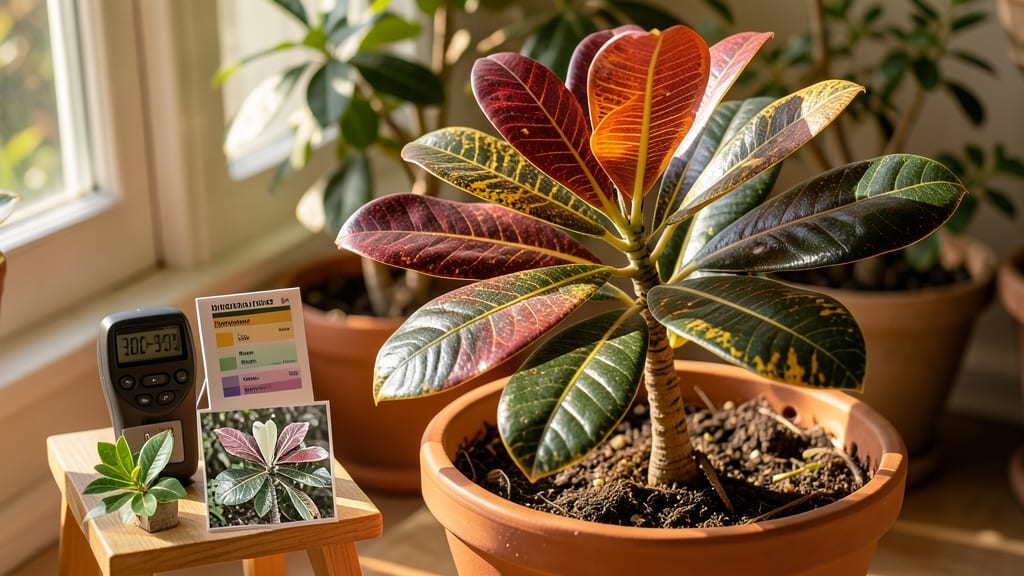
Ideal light requirements for croton plants: bright indirect sunlight explained
Crotons (Codiaeum variegatum) are tropical plants that crave bright, indirect sunlight to maintain their stunning multicolored foliage. Without the right light, their leaves lose vibrancy and grow leggy.
The key is finding that perfect balance—too little light dulls their colors, while too much direct sun can scorch their delicate leaves.
Outdoors, crotons thrive in partial shade with morning sun. They can handle up to 4-6 hours of filtered sunlight daily, especially when grown in USDA zones 10-12. In colder climates, they’re best kept indoors near windows or under grow lights during winter months.
Indoors, the best window placements are east or west-facing, where sunlight is bright but not harsh. A spot within 3 feet of the window ensures they get enough light without overheating. Avoid south-facing windows, which often deliver intense, midday sun that can bleach leaves.
🌱 Croton Light Requirements Summary
| Condition | Specification |
|---|---|
| Light Type | Bright Indirect Light |
| Daily Sunlight | 4-6 Hours (Filtered) |
| Best Windows | East or West-Facing |
| Direct Sun Tolerance | Morning Only (Max 2 Hours) |
| Indoor Distance from Window | Within 3 Feet |
The color intensity of croton leaves directly correlates with light exposure. Plants in low-light conditions may develop duller, green-dominated foliage as they stretch toward light sources. Meanwhile, those in optimal bright indirect light showcase their vibrant reds, oranges, and yellows at their best.
For outdoor crotons, morning sunlight is ideal because the sun’s rays are less intense than in the afternoon. If you notice white or yellow patches on leaves, it’s a sign of sunburn from excessive direct exposure. Move the plant to a shadier spot immediately and monitor for recovery.
In low-light environments, like north-facing rooms or offices, crotons can still survive but may grow slowly and sparsely. To compensate, consider using a grow light for 12-14 hours daily to mimic natural sunlight cycles. This helps maintain their foliage vibrancy and prevents leggy growth.
Rotating your croton quarterly ensures even light exposure and prevents one-sided growth. This is especially important for indoor plants, where light sources are often unilateral. A simple 180-degree turn every month keeps your croton compact and symmetrical.
If you’re growing crotons outdoors in hot climates, provide afternoon shade during peak summer months. Use a lightweight shade cloth (30-50% coverage) to filter sunlight while allowing indirect light penetration. This prevents leaf scorch while still supporting healthy growth.
Remember, crotons are not low-maintenance plants when it comes to light. They demand consistent brightness to thrive. By observing their leaf color and growth patterns, you can fine-tune their light exposure for maximum vibrancy and health.
Signs your croton isn’t getting enough (or too much) light
Your croton plant speaks volumes through its leaves—watch for yellowing foliage or bleached patches as red flags. These signs scream light deprivation, often paired with leggy, sparse growth as the plant stretches desperately toward any available light source.
If you notice brown tips or crispy edges, your croton may be overwhelmed by harsh direct sun, especially during peak afternoon hours.
Pay close attention to the leaf color intensity. A healthy croton boasts vibrant hues, but dull, washed-out leaves mean it’s not getting enough bright indirect light.
Even worse, leaf drop can occur when light conditions swing too drastically—like moving a potted croton from a south-facing window to a dark corner overnight. Adjust gradually to avoid shocking your plant.
Here’s the kicker: morning sun is far gentler than afternoon rays. If your croton’s leaves develop white or yellow patches (a classic sign of sunburn), it’s getting too much direct sunlight. Rotate your plant quarter-turns weekly to ensure even exposure and prevent one-sided growth.
For indoor crotons, east-facing windows are ideal—they offer gentle morning light without the intensity of midday sun. If your space lacks natural light, supplement with grow lights (more on this in the next section!).
Avoid placing your croton near air conditioning vents or heating ducts, as fluctuating temperatures can further stress the plant.
Pro tip: Rotate your croton every 2-4 weeks to encourage balanced growth and prevent it from leaning toward the light source. This simple habit keeps your plant compact and symmetrical, ensuring those stunning variegated leaves stay front and center.
When in doubt, observe your croton’s leaves. Healthy foliage should be firm, glossy, and colorful. If you spot any of these warning signs, tweak its light exposure immediately—your croton will thank you with lush, vibrant growth in no time! 🌿